Moving a Commercial Portable Office? How to Avoid Common Setup Logistics Headaches
Don’t let a simple building relocation derail your project timeline

In the fast-paced world of construction, industrial operations, and commercial development, portable office buildings and jobsite trailers are the lifelines of a project. They provide a centralized space for managers to coordinate schedules, hold client meetings, and keep paperwork organized right where the action is.
But what happens when a project wraps up, or a business expands, and it’s time to move that massive structure to a brand-new site?
For many project managers, this is exactly where the headaches begin. Relocating a commercial mobile office isn't like renting a moving truck and hauling furniture. These units are heavy, wide, and structurally rigid. A single logistical oversight can result in cracked walls, ruined axles, expensive state fines, or weeks of project delays.
If you are coordinating a modular office relocation in Georgia or Alabama, here are the major logistical hurdles you need to anticipate—and how working with a licensed specialist keeps your operations moving on schedule.
Headache 1: Navigating State Permits and Wide-Load Regulations
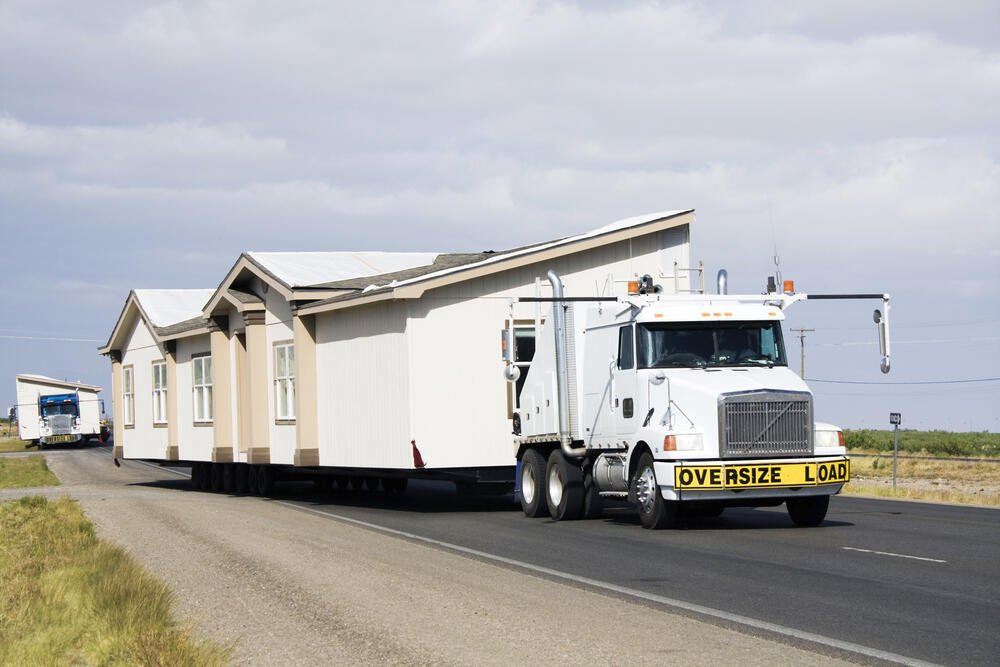
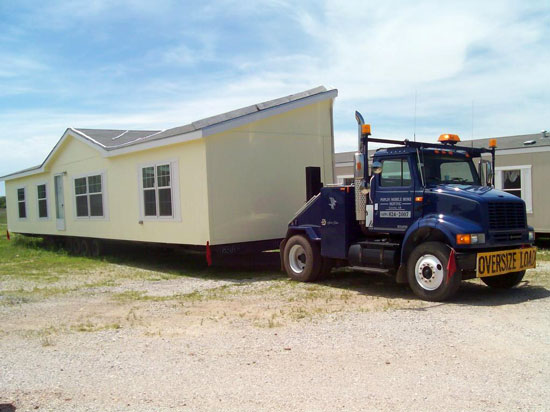
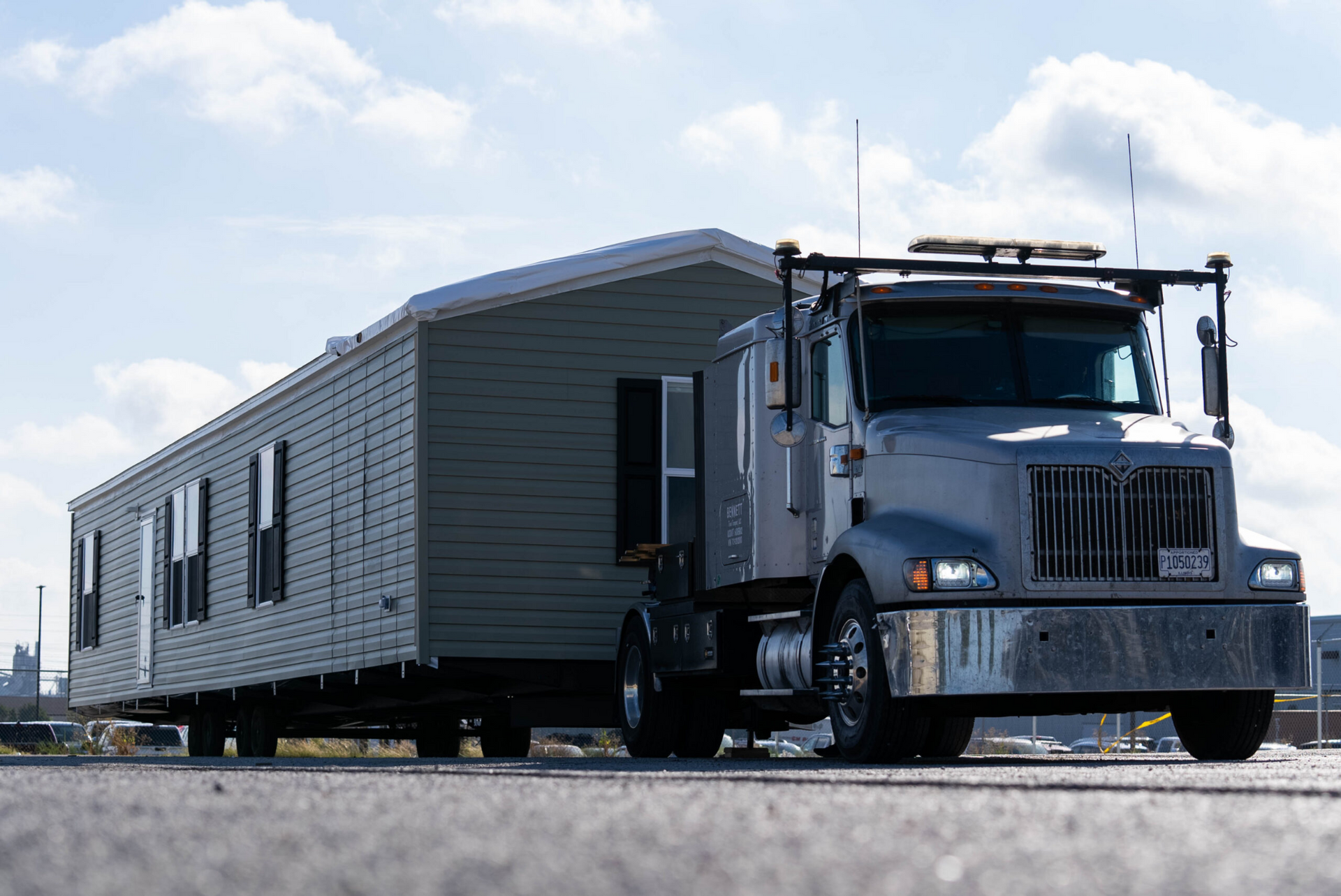
You can't just hook a commercial modular building to a standard truck and hop on the interstate. Because these structures cross standard lane width thresholds, they are legally classified as "oversized loads" or "wide loads."
Moving them requires strict legal compliance before the wheels ever turn.
- The Permit Paperwork Trail: Every state has different rules regarding width, height, and weight limits. If your route takes you across the state line between Alabama and Georgia, you must secure specific permits from both state Departments of Transportation (DOT).
- Route Restrictions: State permits don't just grant permission to drive; they tell you exactly which roads you are allowed to use. You may be completely restricted from using certain bridges with low weight ratings or specific urban highways during peak traffic hours.
- Escort Vehicles: Depending on the width of your office structure, state laws may require you to hire certified escort vehicles (pole cars or chase trucks) to warn oncoming traffic.
Trying to figure out these regulations on your own is a massive time sink. Professional
commercial portable building transport companies handle these state-level bureaucracies every single day, mapping out legal routes and securing all required permits so your project avoids sudden DOT fines or impounds.
Headache 2: Tight Site Access and Obstacle Traps
A portable building might look perfectly secure sitting on a wide-open highway, but the real test happens during the final mile. Construction sites, industrial plants, and commercial lots are notorious for tight spacing, uneven ground, and unexpected physical obstacles.
Before scheduling a delivery, a professional transport crew must evaluate several site accessibility challenges:
Low-Hanging Utility Lines and Branches
A commercial office trailer sitting on a transport chassis can easily stand over 13 to 14 feet tall. Trees that haven't been trimmed or low-hanging power and communication lines can snap instantly if a driver tries to force a path.
Sharp Turning Radii
A truck hauling a 40-foot or 60-foot mobile office requires an immense amount of clearance to make a turn. If your new jobsite has narrow gates, tight fences, or heavy machinery parked near the entrance, a standard driver will quickly find themselves stuck or jackknifed.
Ground Conditions
Commercial portable buildings are incredibly heavy. If your delivery site consists of soft, uncompacted mud or loose gravel, a heavy transport truck can sink into the ground within seconds. This doesn’t just stall the delivery; it can warp the frame of the building as the truck tilts.
Headache 3: Poor Prefab Building Placement and Leveling Failures
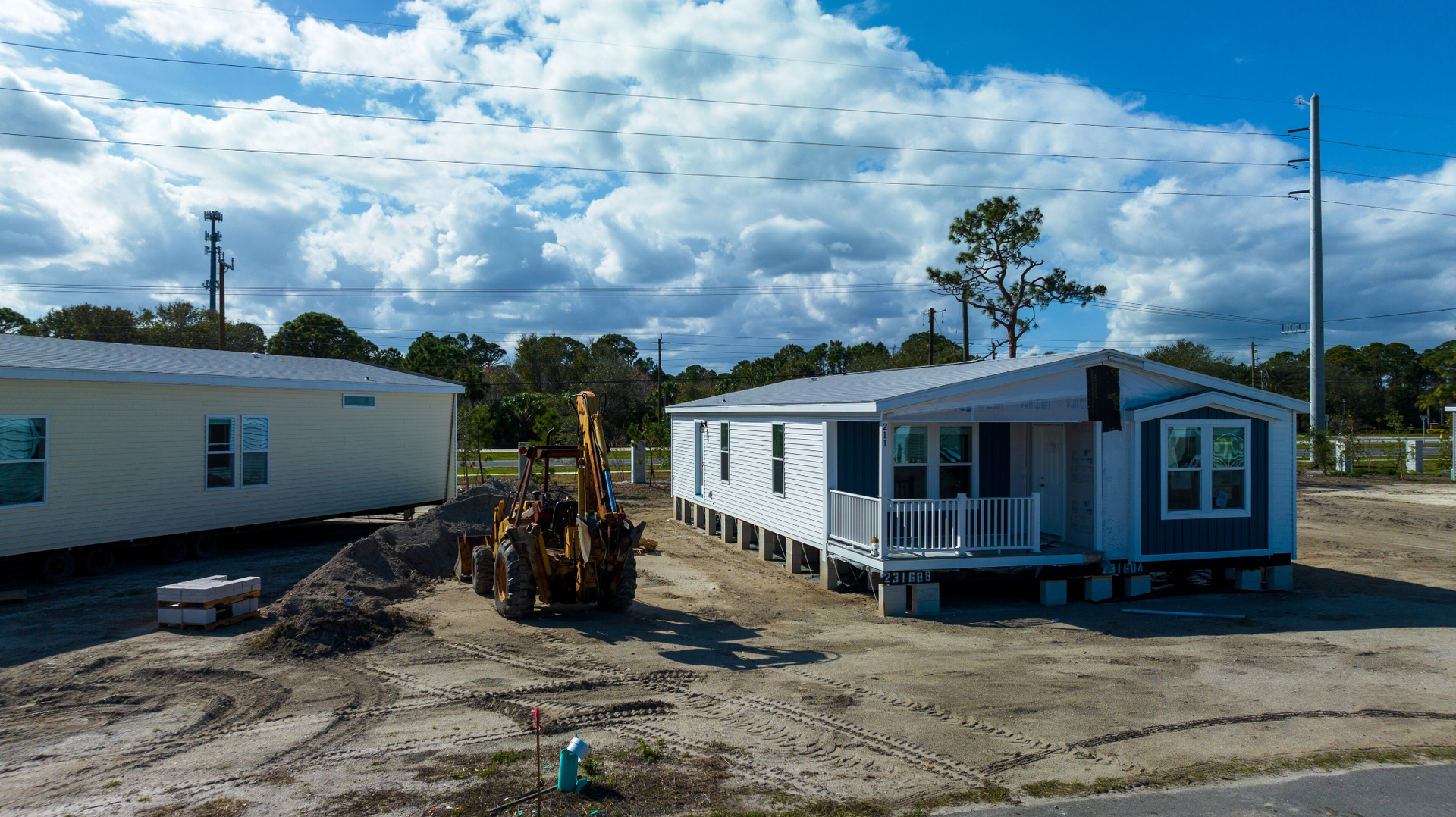
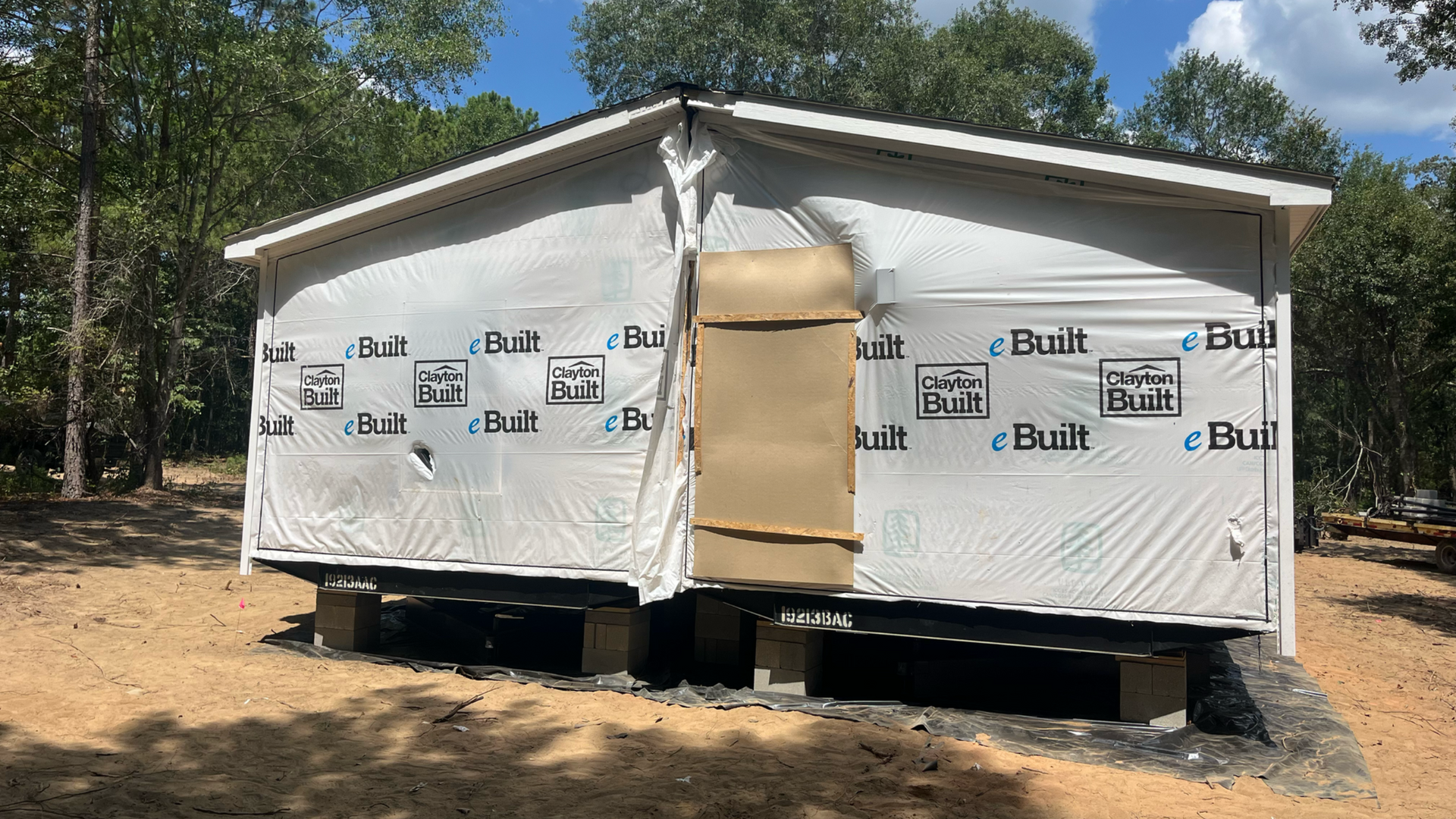
Getting the building onto the property is only half the battle. The final step—prefab building placement and structural setup—is where structural damage is most likely to occur if done improperly.
Unlike temporary residential structures, commercial offices host expensive electronic equipment, heavy office furniture, and constant foot traffic. If the building is not set down on a completely flat, perfectly leveled foundation, the structural integrity of the unit degrades rapidly.
1.Precise Alignment: Immediate upon arrival.
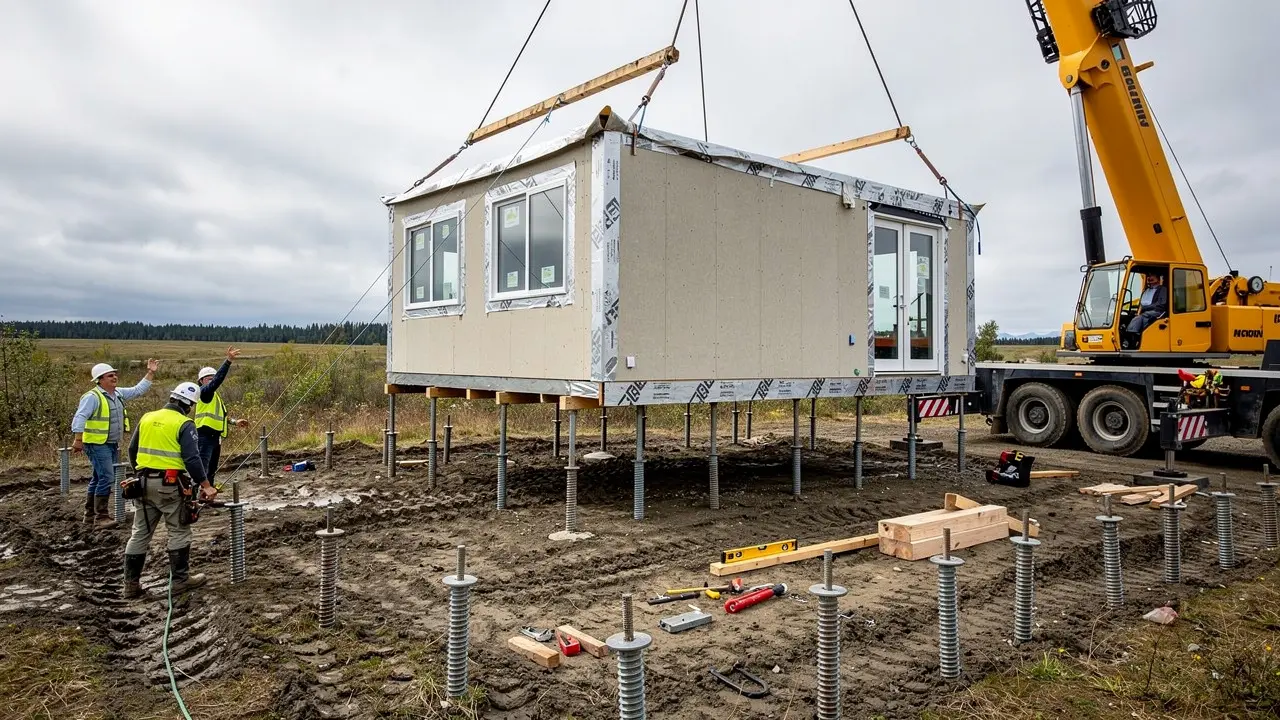
The transport truck guides the building over the designated site pad. Using specialized close-quarters steering equipment, the team aligns the structure exactly with utility hookup points.
2.Set and Block: Structural weight distribution.
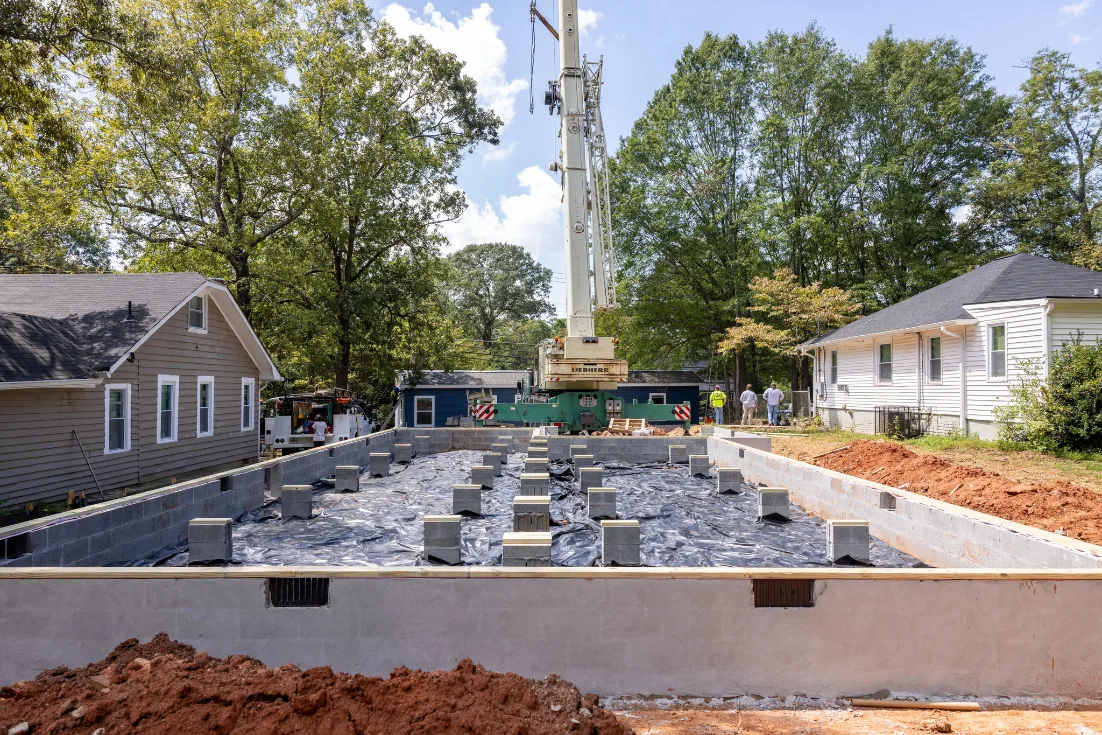
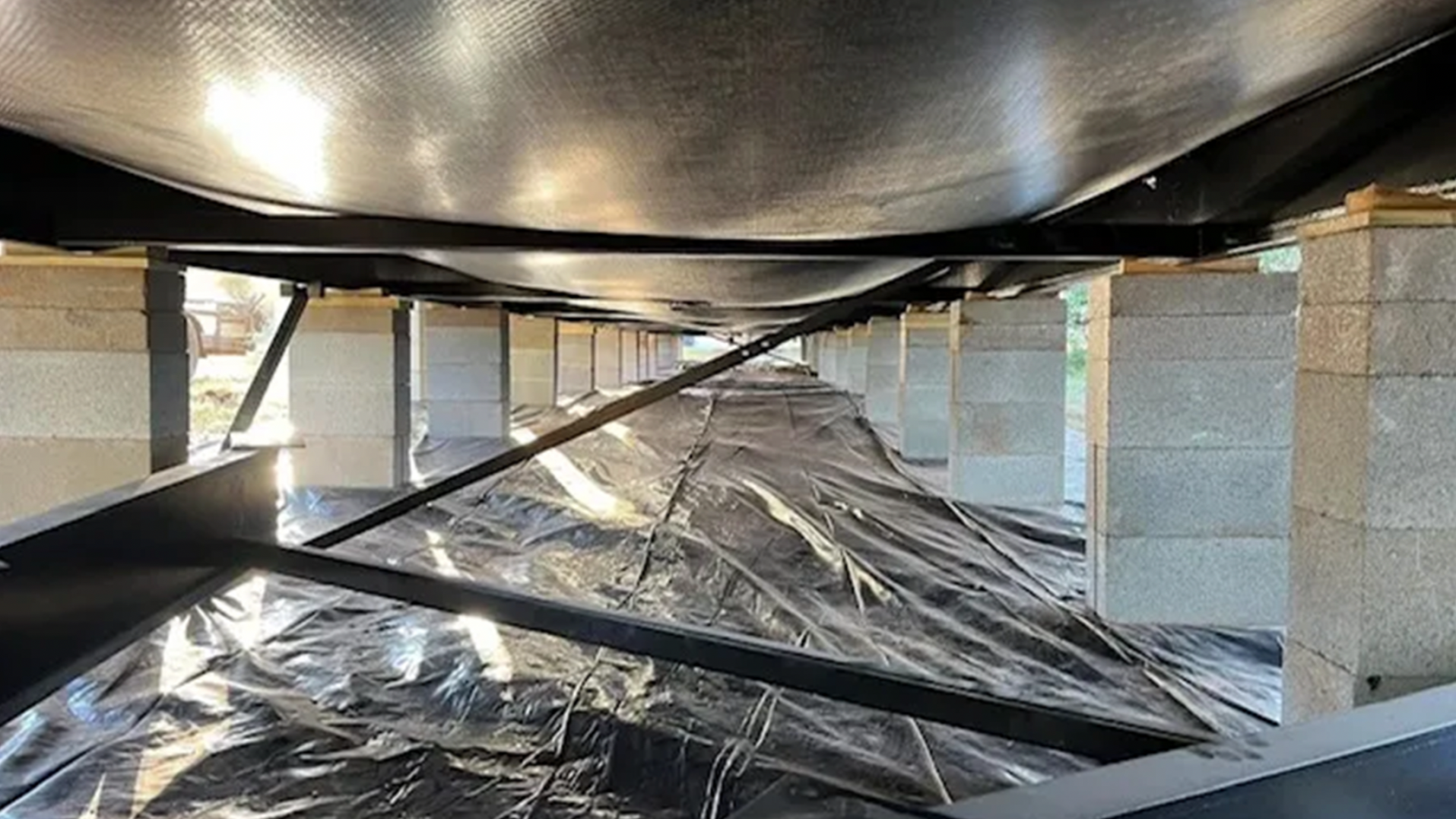
The building is systematically transferred off its transport wheels and onto heavy-duty concrete piers or structural steel jacks spaced precisely according to manufacturer specifications.
3.Precision Leveling: Eliminating structural twist.
Installers utilize high-accuracy leveling tools to check the building’s horizontal plane from front-to-back and side-to-side. This prevents the frame from twisting, ensuring doors slide smoothly and windows remain watertight.
4.Engineered Tie-Downs: Wind and safety compliance.
The final step involves securing structural tie-down straps into the ground anchors. This guarantees the mobile office meets strict local wind-safety codes for commercial occupancy.
If a transport team rushes through these steps, your staff will quickly pay the price with sticking doors, windows that leak rainwater, or a bouncy floor that sags over time.
Eliminate the Guesswork with Bowchamp Transport
When you are managing a
major commercial project, you cannot afford to waste days dealing with amateur moving mistakes. You need a team that treats your office infrastructure like the valuable asset it is.
If you are looking for experienced modular building transport companies near me in East Alabama or West Georgia, Bowchamp Transport is the licensed, insured choice that regional businesses trust.
We don't just pull up, hitch your building, and hope for the best. Our comprehensive commercial service handles the entire logistical lifecycle:
- We manage the headache of interstate routing and wide-load DOT permits.
- Our experienced drivers analyze your site entry points ahead of time to guarantee smooth, damage-free entry.
- We handle the complete setup process, including advanced blocking, laser-precise leveling, and secure tie-downs.
Let our heavy-hauling experts take the logistical weight off your shoulders so you can keep
your project moving forward without a hitch. Contact
Bowchamp Transport today to discuss your upcoming office move and request a professional, reliable commercial quote