Set and Block Manufactured Homes: Professional Transport, Setup, and Foundation Solutions
Professional Manufactured Home Set and Block Services for Safe Installation
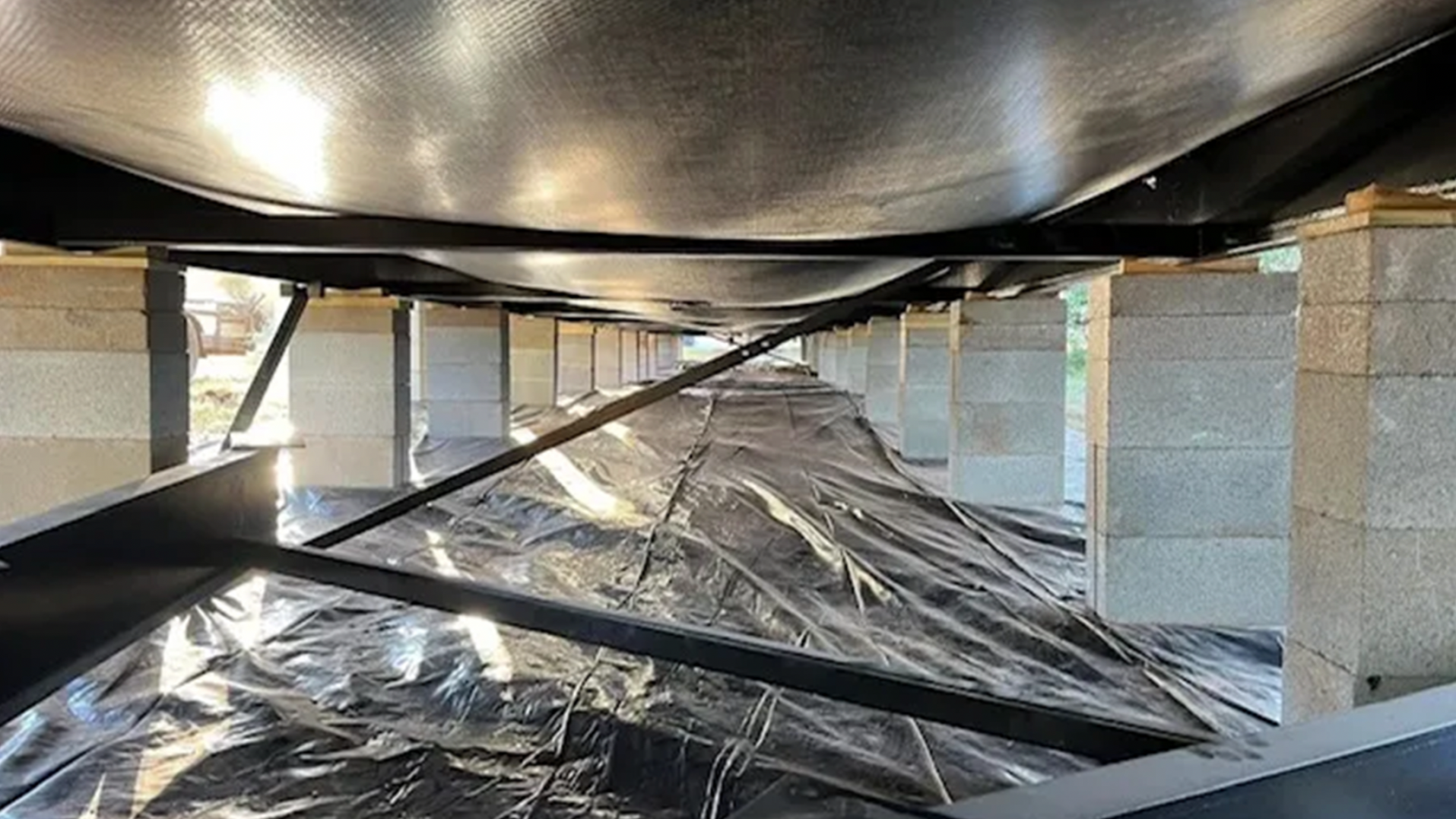
Set and block manufactured homes are an essential aspect of modern housing solutions, providing flexibility and affordability for many families. These homes are designed to be transported and set up efficiently, ensuring that they meet the necessary standards for safety and comfort. In this article, we will explore the various processes involved in transporting, setting up, and providing foundation solutions for manufactured homes. Readers will gain insights into the transport services, setup processes, and foundation types that are crucial for successful installation. Additionally, we, at Bowchamp Transport, will discuss the permits and regulations that govern these activities, as well as key considerations for homeowners.
Professional Transport Services
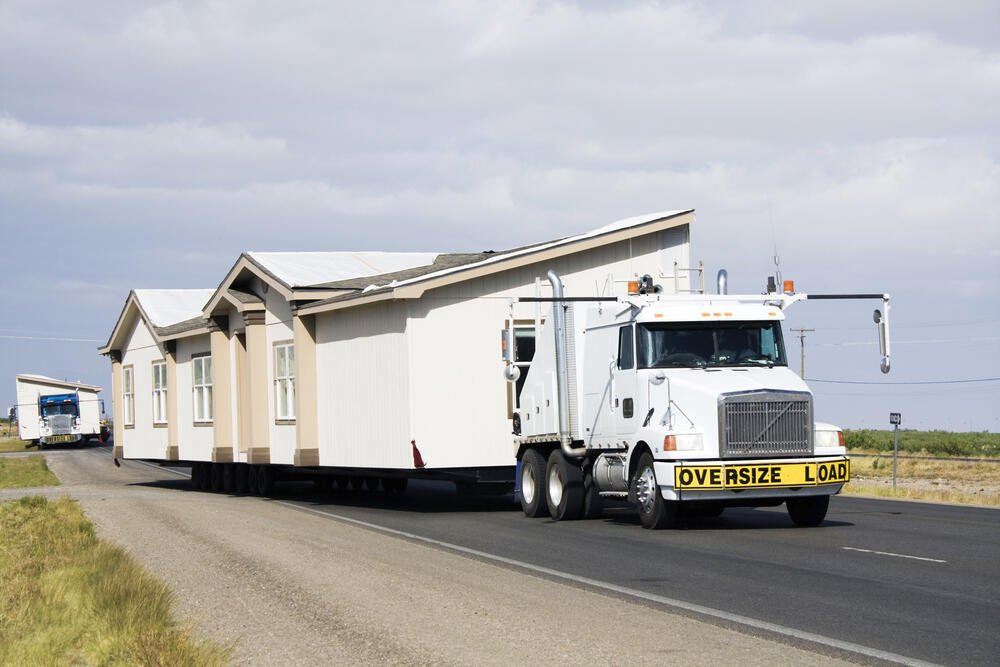
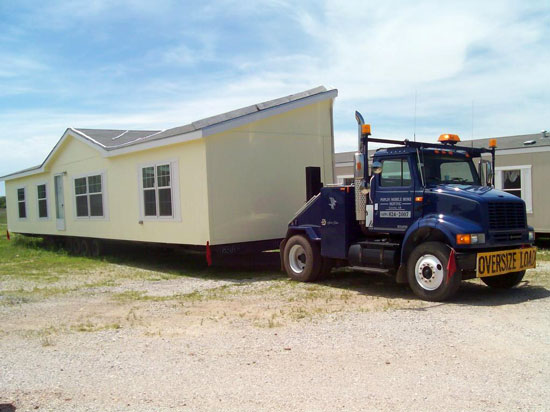
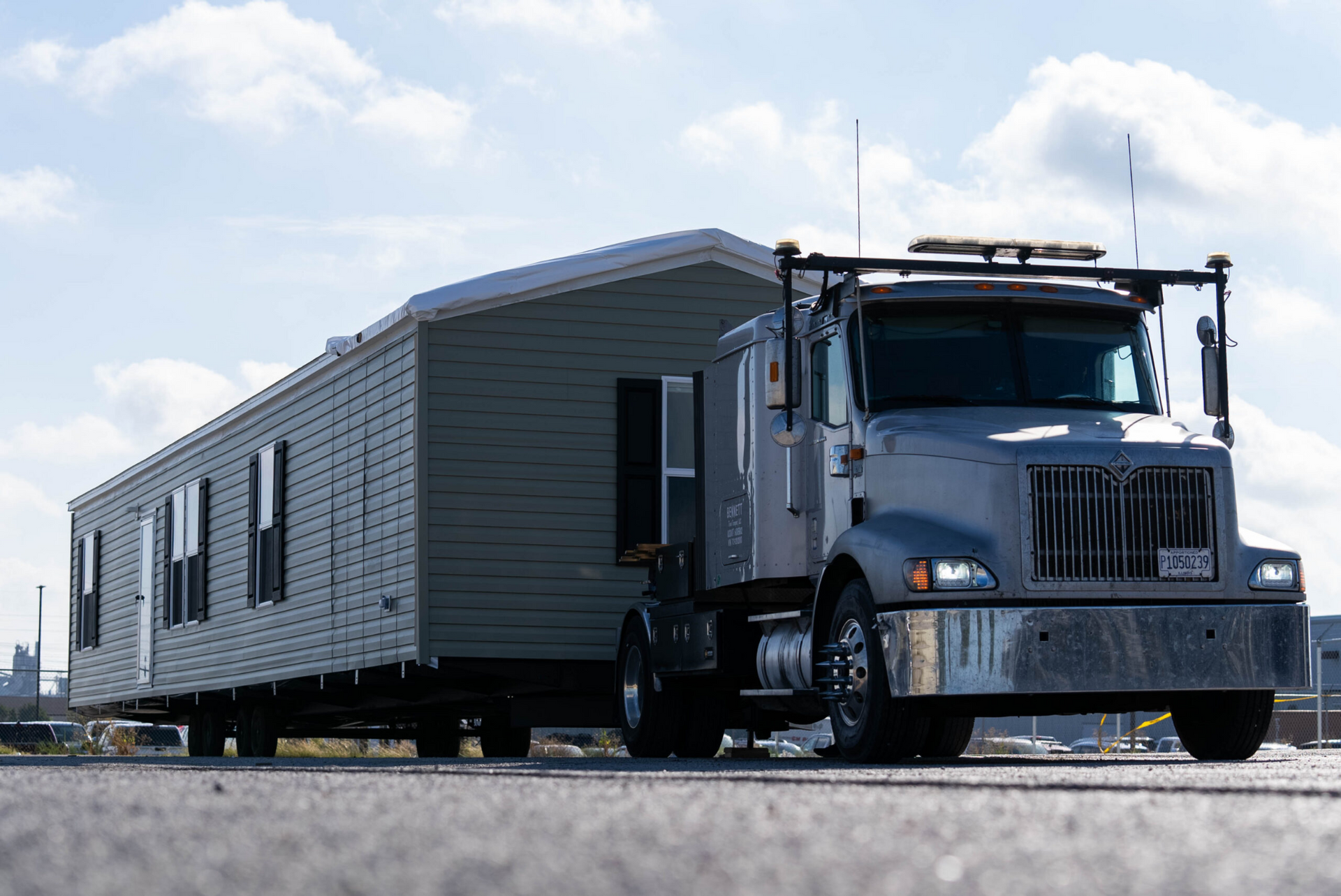
Transporting manufactured homes involves a series of well-coordinated steps to ensure safe and efficient delivery. The process begins with a thorough consultation to assess the specific needs of the homeowner and the logistics involved in the transport. This includes evaluating the route, preparing the home for transport, and ensuring compliance with local regulations.
The transport process itself requires specialized equipment and trained professionals to navigate the challenges of moving large structures. This ensures that the home arrives at its destination without damage, ready for the next phase of setup. Bowchamp Transport specializes in these transport services, providing expertise in moving manufactured homes, modular buildings, and tiny homes primarily in Alabama and Georgia.
Setup Processes
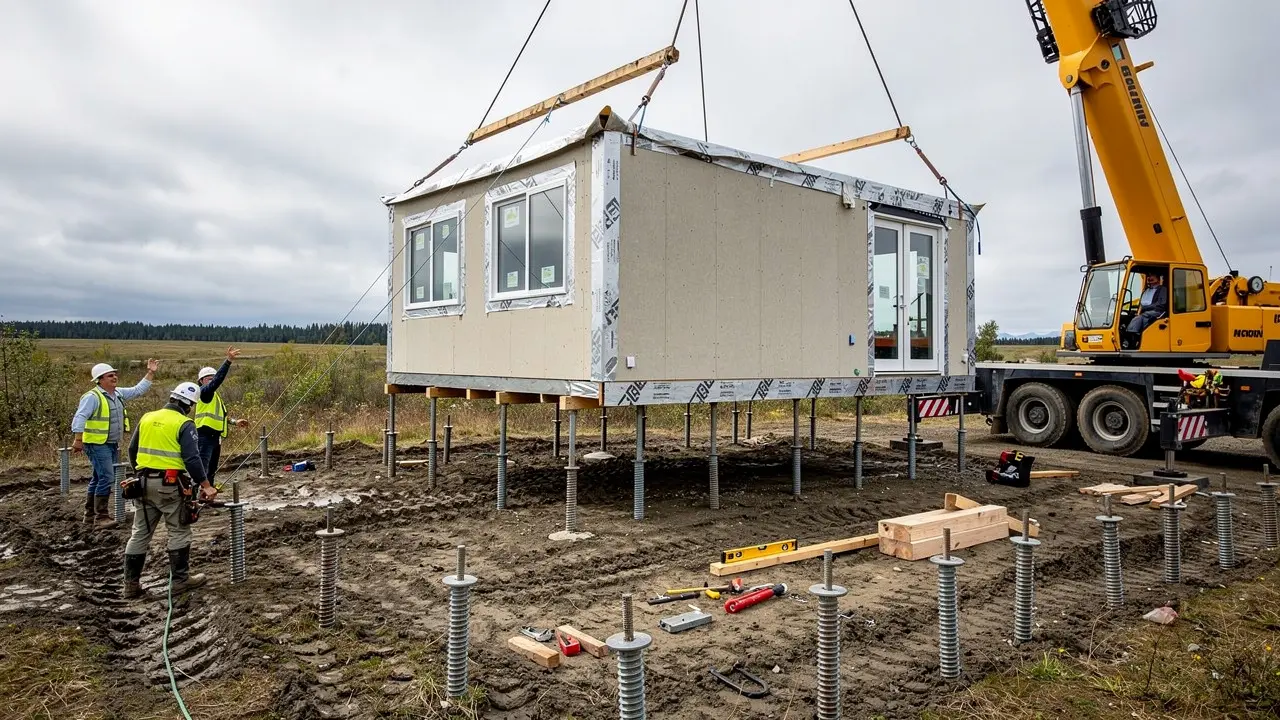
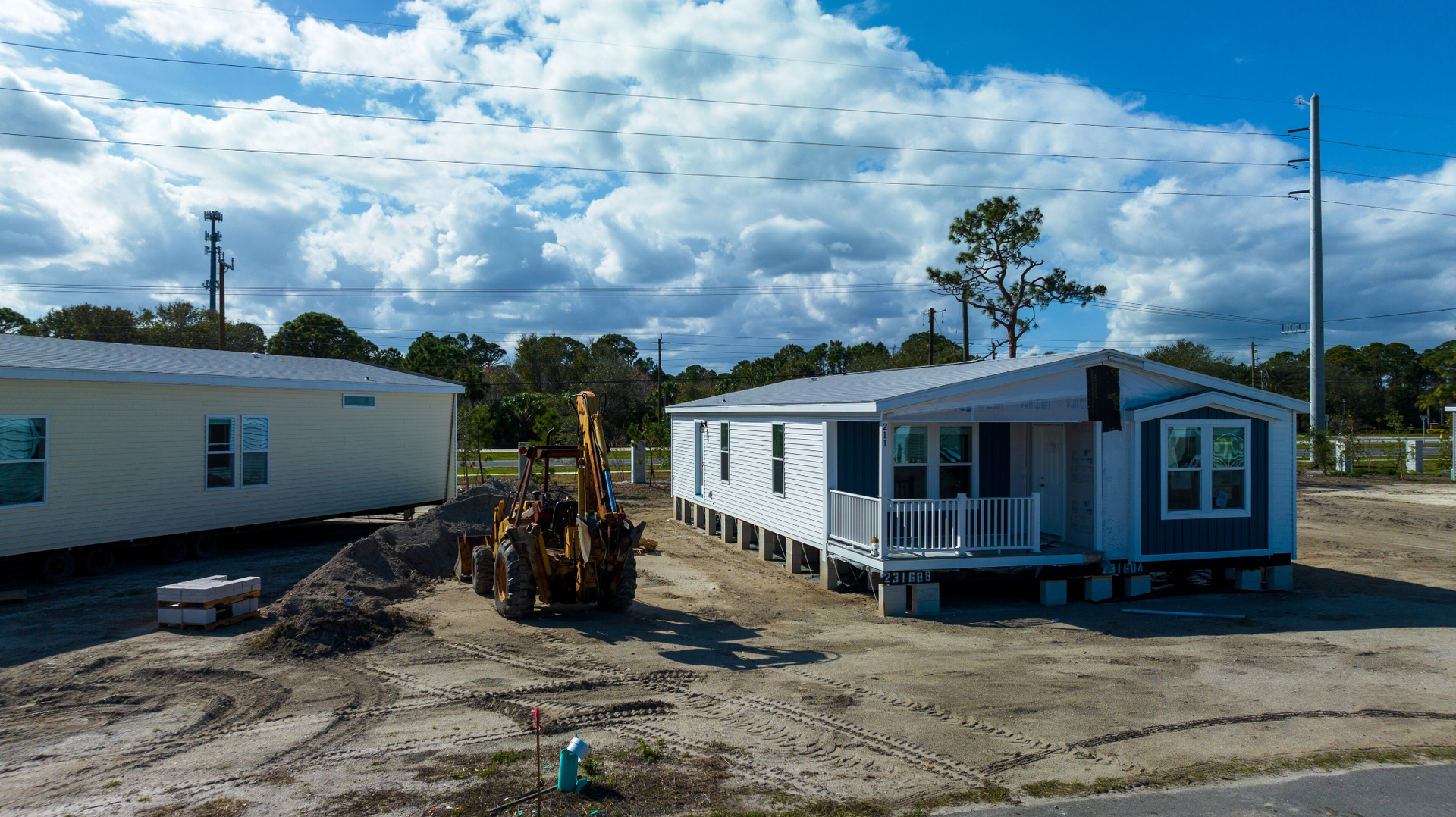
Setting up a manufactured home is a critical step that involves several key processes to ensure stability and compliance with local codes. The first step is site preparation, which includes clearing the area, grading the land, and ensuring proper drainage. Once the site is ready, the home is positioned and leveled accurately to prevent future issues.
Installation of tie-down systems is also essential, as these systems secure the home against wind and other environmental factors. Proper setup not only enhances the safety of the home but also ensures that it meets all regulatory requirements.
Foundation Solutions
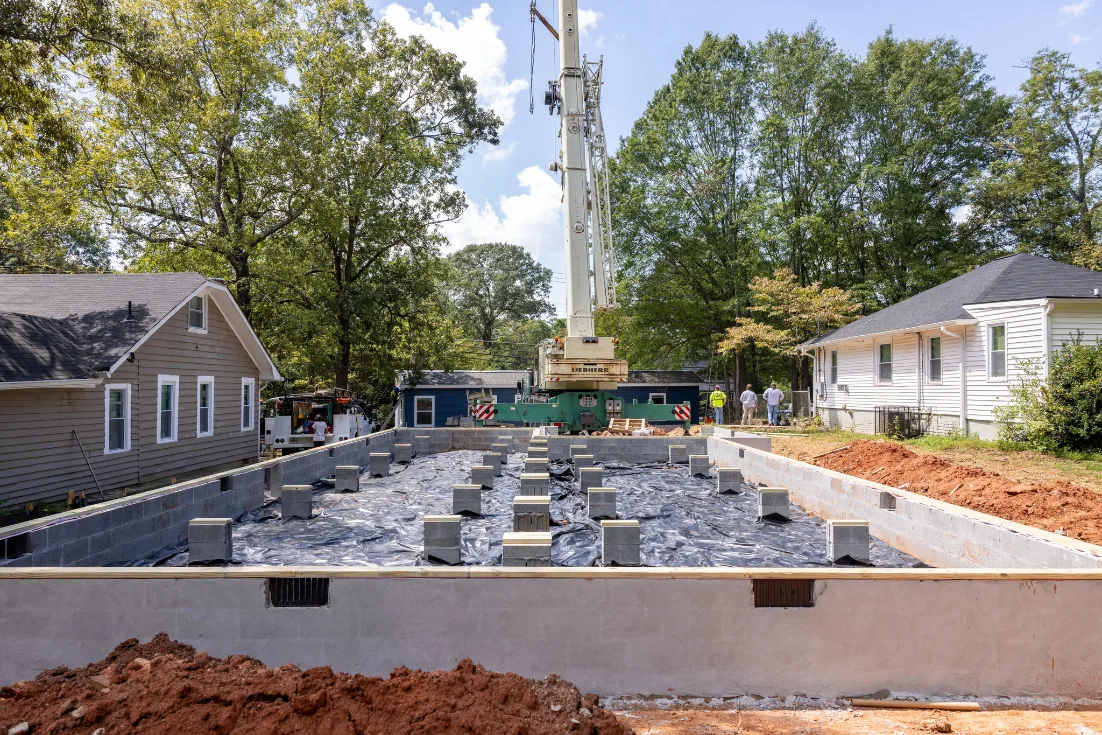
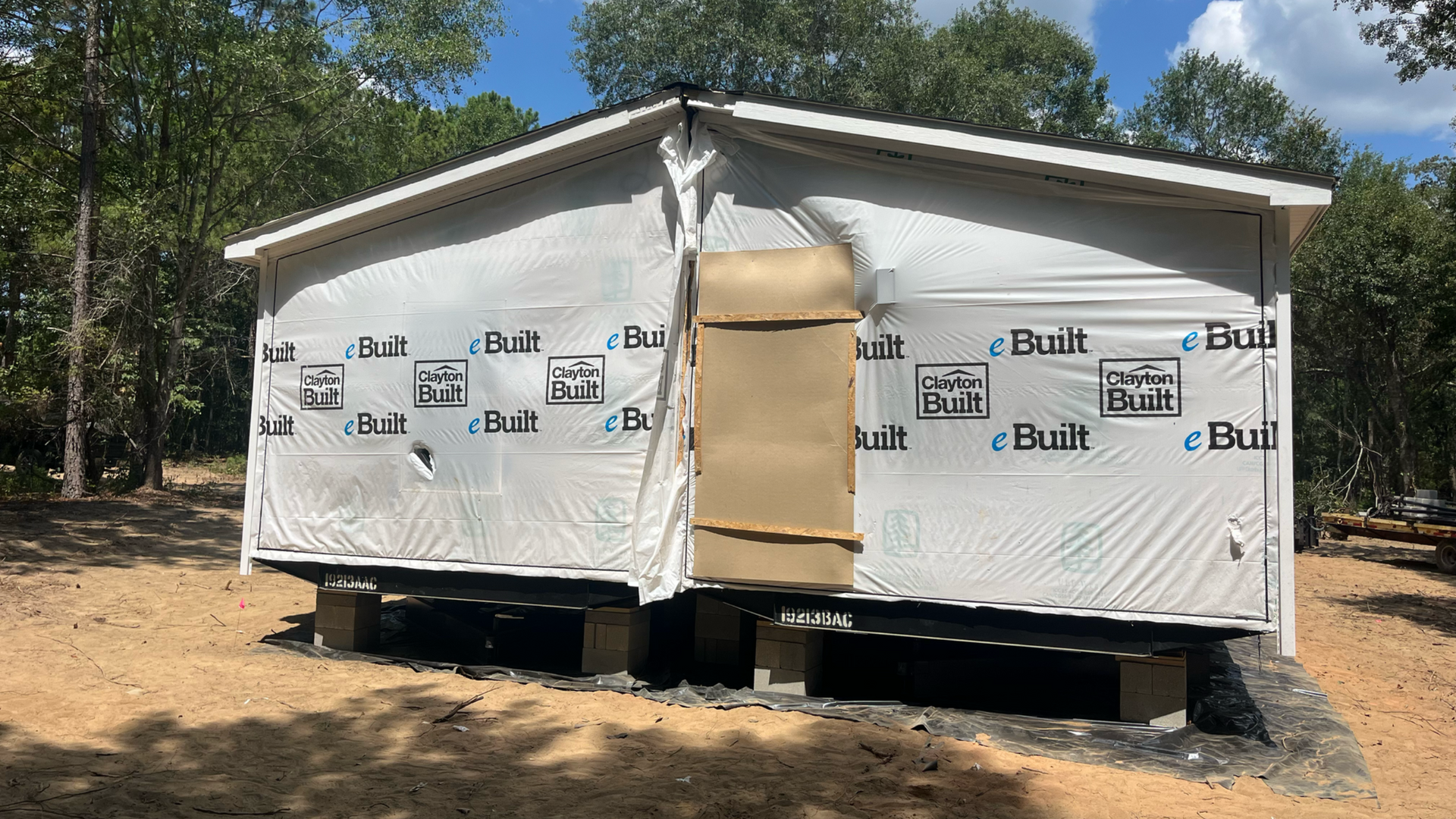
Foundation solutions for manufactured homes are vital for ensuring long-term stability and compliance with building codes. The most common methods include block foundations, pier foundations, and slab foundations. Each type has its own advantages and is chosen based on factors such as soil conditions, local regulations, and homeowner preferences.
Bowchamp Transport offers expertise in foundation solutions, ensuring that each installation is performed with precision and adherence to local building codes. This attention to detail is crucial for the longevity and safety of the home.
How Does a Block Foundation Support Manufactured Homes?
A block foundation provides a stable base for manufactured homes by distributing weight evenly and preventing settling. This type of foundation is particularly beneficial in areas with varying soil conditions, as it can be adjusted to accommodate different elevations. Additionally, block foundations comply with local building codes, ensuring that the home is protected against moisture and other environmental factors.
What Are Alternative Foundation Options for Manufactured Homes?
In addition to block foundations, homeowners can consider pier and slab foundations. Pier foundations elevate the home above ground level, which can be advantageous in flood-prone areas. Slab foundations, on the other hand, provide a solid base that can be more cost-effective and easier to install. Each option has its pros and cons, and homeowners should weigh these factors carefully when making a decision.
Permits and Regulations
Navigating the permits and regulations for transporting and setting up manufactured homes is essential for compliance and safety. Homeowners must obtain state transport permits and adhere to local permit requirements, which can vary significantly by region. Understanding these regulations helps ensure that the installation process goes smoothly and avoids potential legal issues.
Key Considerations
When selecting a transport service for manufactured homes, several key considerations should be taken into account:
- Experience and Reliability: Choose a company with a proven track record in transporting manufactured homes.
- Licensing and Insurance: Ensure that the transport service is properly licensed and insured to protect against potential damages.
- Communication and Timeliness: Effective communication and adherence to timelines are crucial for a successful transport and setup process.
Ready to Move, Set, and Install Your Manufactured Home?
Whether you're relocating a single-wide, double-wide, or multi-section manufactured home, Bowchamp Transport has the experience and equipment to handle every step of the process. From transportation and site placement to leveling, set and block services, and tie-down solutions, our team helps ensure your home is installed safely and efficiently.
Serving homeowners, dealers, and contractors throughout Alabama and Georgia, Bowchamp Transport is committed to making your manufactured home move as smooth and stress-free as possible.
Contact Bowchamp Transport today for a free quote and let our experienced team help bring your manufactured home project to life.
Call (334) 663-4937 to get started.
What Are the Key Manufactured Home Foundation Types?
Manufactured homes can be supported by various foundation types, each offering unique benefits. The primary types include:
- Block Foundations: Provide stability and are adjustable for uneven terrain.
- Pier Foundations: Elevate the home, reducing flood risk.
- Slab Foundations: Offer a solid base and are often more cost-effective.
Understanding these options helps homeowners make informed decisions about their foundation needs.
How Do Mobile Home Transport and Setup Services Ensure Proper Installation?
Mobile home transport and setup services ensure proper installation through a series of meticulous steps. These include:
- Consultation and Preparation: Assessing the site and preparing the home for transport.
- Logistics Coordination: Planning the transport route and timing to avoid obstacles.
- Final Inspection: Conducting a thorough inspection post-setup to ensure everything is in order.
These steps are crucial for ensuring that the home is installed correctly and safely.
What Are the Steps Involved in Transporting Manufactured Homes?
Transporting manufactured homes involves several key steps:
- Consultation: Discussing the homeowner's needs and assessing the logistics.
- Preparation: Preparing the home for transport, including securing loose items.
- Transport: Moving the home to its new location using specialized equipment.
- Setup: Positioning and leveling the home on its foundation.
Each step is designed to ensure a smooth and safe transport process.
How Is Site Preparation Conducted for Manufactured Home Installation?
Site preparation is a critical phase in the installation of manufactured homes. It involves:
- Site Assessment: Evaluating the land for suitability.
- Grading and Pad Setup: Leveling the ground and creating a stable base.
- Utilities Setup: Ensuring that water, electricity, and sewage systems are in place.
Proper site preparation is essential for the long-term stability and safety of the home.
What Are the Cost Factors for Setting and Blocking Manufactured Homes?
Several cost factors influence the setting and blocking of manufactured homes, including:
- Foundation Type: Different foundations have varying costs associated with materials and labor.
- Location Considerations: Transporting homes to remote areas may incur additional fees.
- Typical Pricing Ranges: Costs can vary widely based on the complexity of the setup and local market conditions.
How Do Foundation Type and Location Affect Installation Costs?
The type of foundation chosen can significantly impact installation costs. For example, block foundations may require more materials and labor compared to pier foundations. Additionally, the location of the installation can affect costs due to transportation fees and local regulations.
What Are Typical Pricing Ranges for Mobile Home Setup Services in Alabama and Georgia?
In Alabama and Georgia, typical pricing for mobile home setup services can range from $1,000 to $5,000, depending on the complexity of the installation and the type of foundation used. Factors such as site preparation and local permit fees can also influence the overall cost.
Which Local Regulations Impact Manufactured Home Installation in Alabama and Georgia?
Local regulations play a crucial role in the installation of manufactured homes. Homeowners must be aware of:
- Transport Permit Requirements: Necessary permits for moving homes across state lines.
- State-Specific Regulations: Compliance with local building codes and zoning laws.
- Site Preparation Compliance: Ensuring that the site meets all regulatory standards.
What Building Codes Govern Block Foundation Installation?
Building codes for block foundation installation typically require adherence to specific standards that ensure safety and stability. These codes may include guidelines on materials used, construction methods, and inspections required during the installation process.
How Do Regional Authorities Influence Setup and Transport Services?
Regional authorities can significantly influence the setup and transport of manufactured homes through their regulations. These may include permit requirements, safety standards, and local zoning laws that dictate where and how homes can be installed. Understanding these regulations is essential for homeowners to ensure compliance and avoid potential fines.