How Much Does It Cost to Move a Mobile Home in Alabama & Georgia?
The real factors behind mobile home moving costs, and why the full job matters more than a flat transport rate
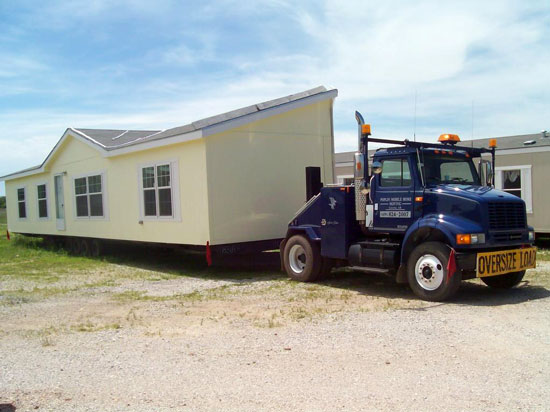
If you're searching for the cost to move a mobile home, you've probably already discovered the frustrating truth: there's no single number that applies to every situation. Moving a mobile home involves far more than hitching it to a truck and driving it down the road. The final price depends on the size of the home, how far it's traveling, what kind of site work is needed at the destination, and what permits and inspections the move requires along the way. Understanding these factors ahead of time helps homeowners across Alabama and Georgia budget realistically and avoid being blindsided by costs that weren't part of the original conversation.
Why There's No Flat Rate for Mobile Home Moves
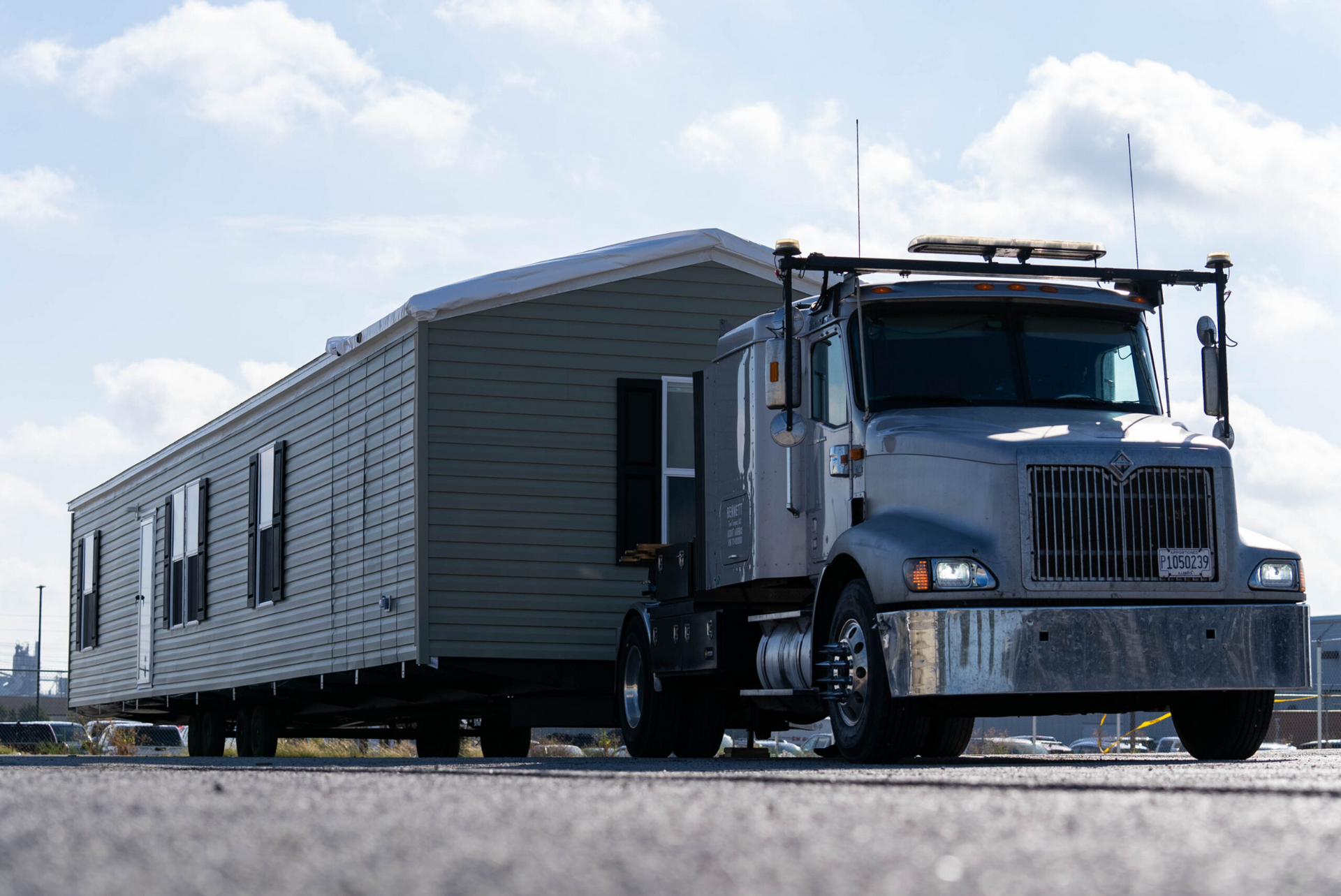
Unlike moving household furniture, relocating a mobile home is closer to a small construction project than a simple transport job. Every move involves a different combination of home size, distance, road conditions, utility disconnections and reconnections, and site preparation at the new location. Two homes that look similar on paper can end up with very different price tags once the specifics of each job are factored in. That's why reputable movers avoid publishing a fixed price online, and why getting an accurate number almost always requires a conversation about your specific home and destination.
Single-Wide vs. Double-Wide and Multi-Section Homes
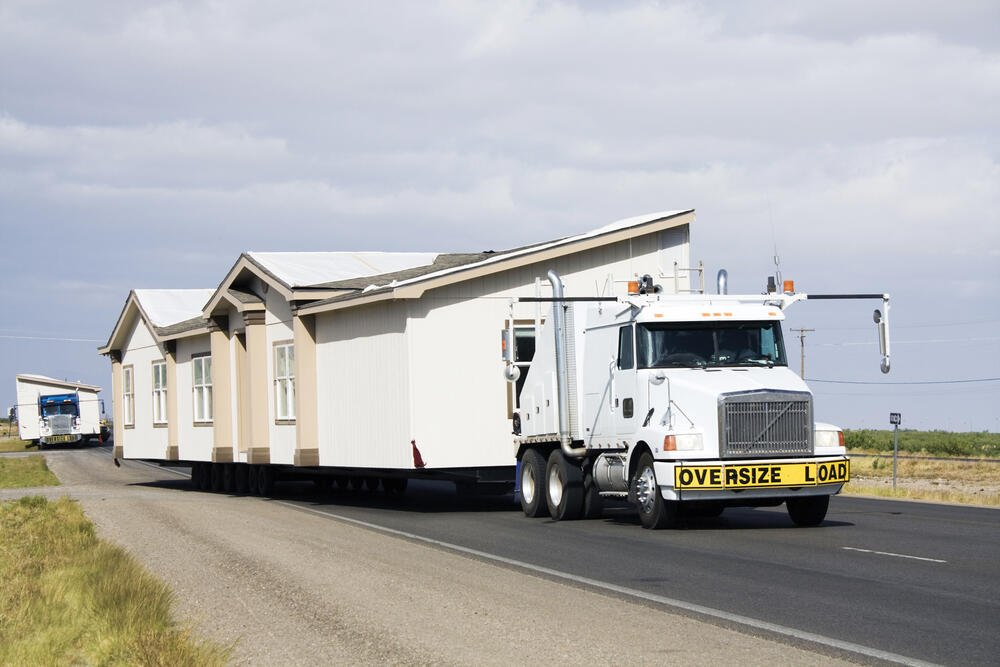
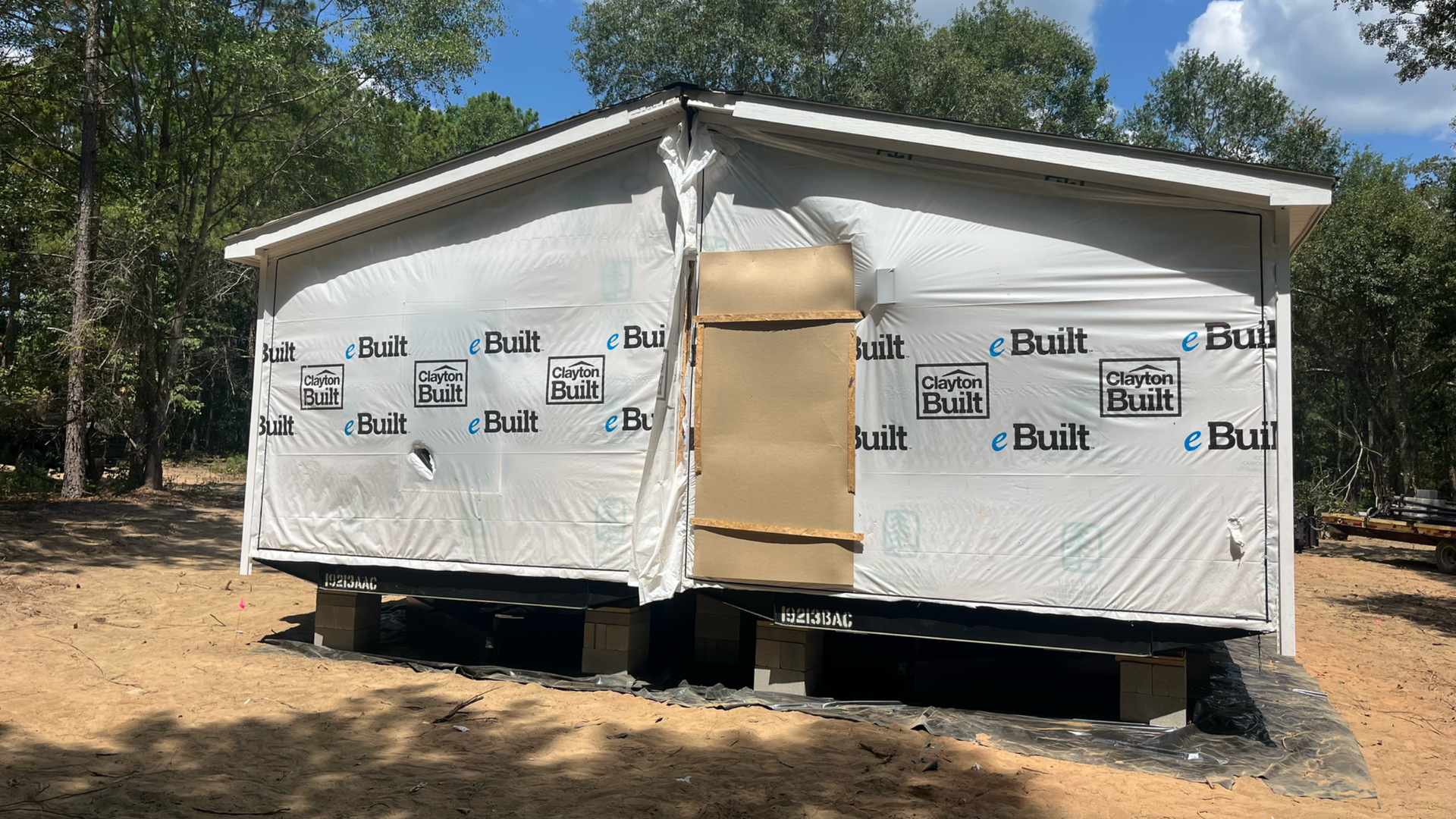
The size and configuration of the home is one of the biggest cost drivers. A single-wide mobile home is generally less expensive to move than a double-wide or multi-section home, simply because it requires less specialized equipment, fewer road permits in some cases, and a shorter, simpler process to disconnect, transport, and reassemble. Double-wide and multi-section homes require each section to be transported separately, then carefully rejoined and sealed at the new site, which adds both labor and equipment costs. The number of sections, the home's overall dimensions, and its age and structural condition all factor into how complex, and how costly, the move will be.
Distance and Route Complexity
Distance is an obvious factor, but it's not just about miles. The complexity of the route matters just as much. A move down a straight, well-maintained highway is very different from one that involves narrow rural roads, tight turns, low overhead clearances, or multiple county and state permit requirements. Moves that cross state lines, common for homeowners near the Alabama-Georgia border, may require additional permitting and coordination between jurisdictions. Longer distances also mean more fuel, more time, and potentially overnight logistics if the move can't be completed in a single day, all of which affect the final price.
Site Preparation Needs at the Destination
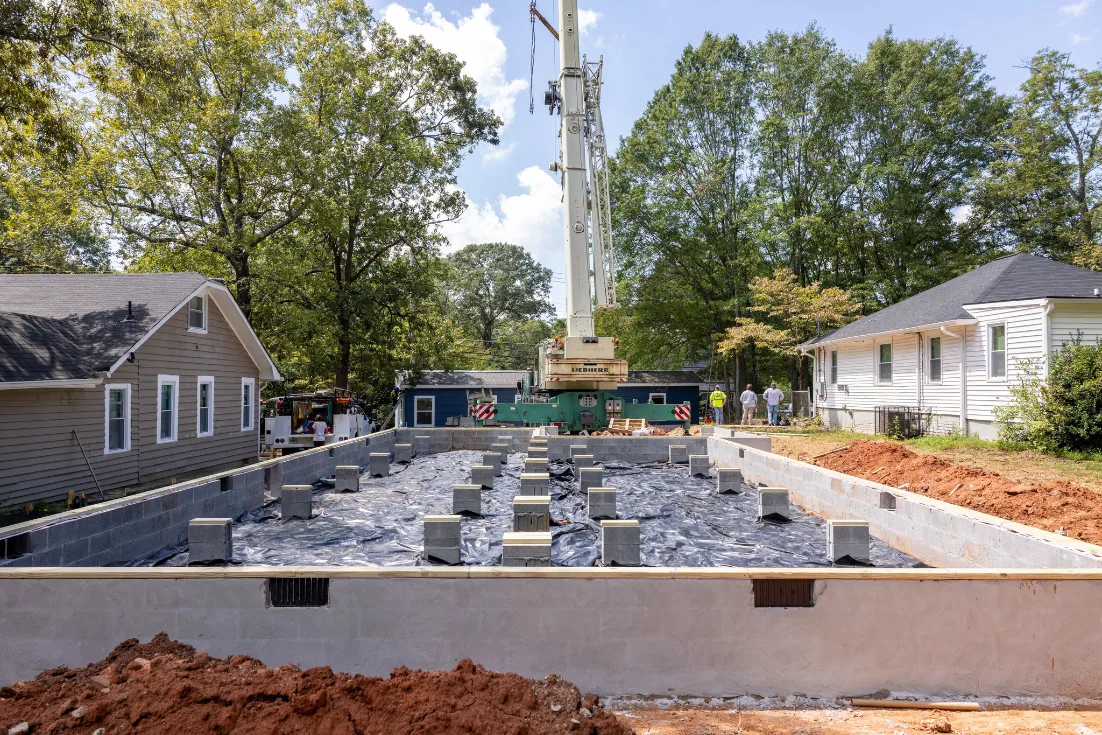
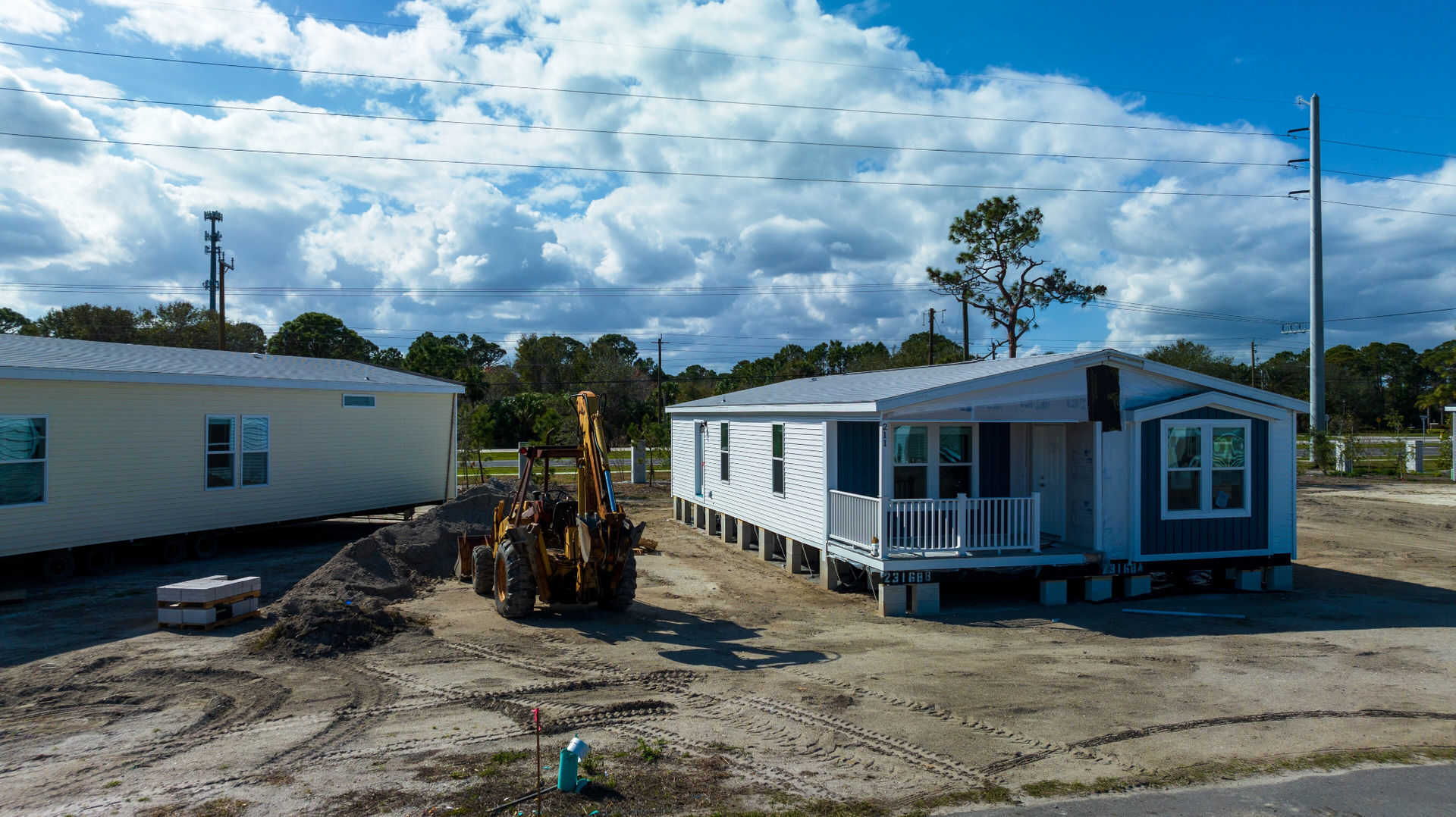
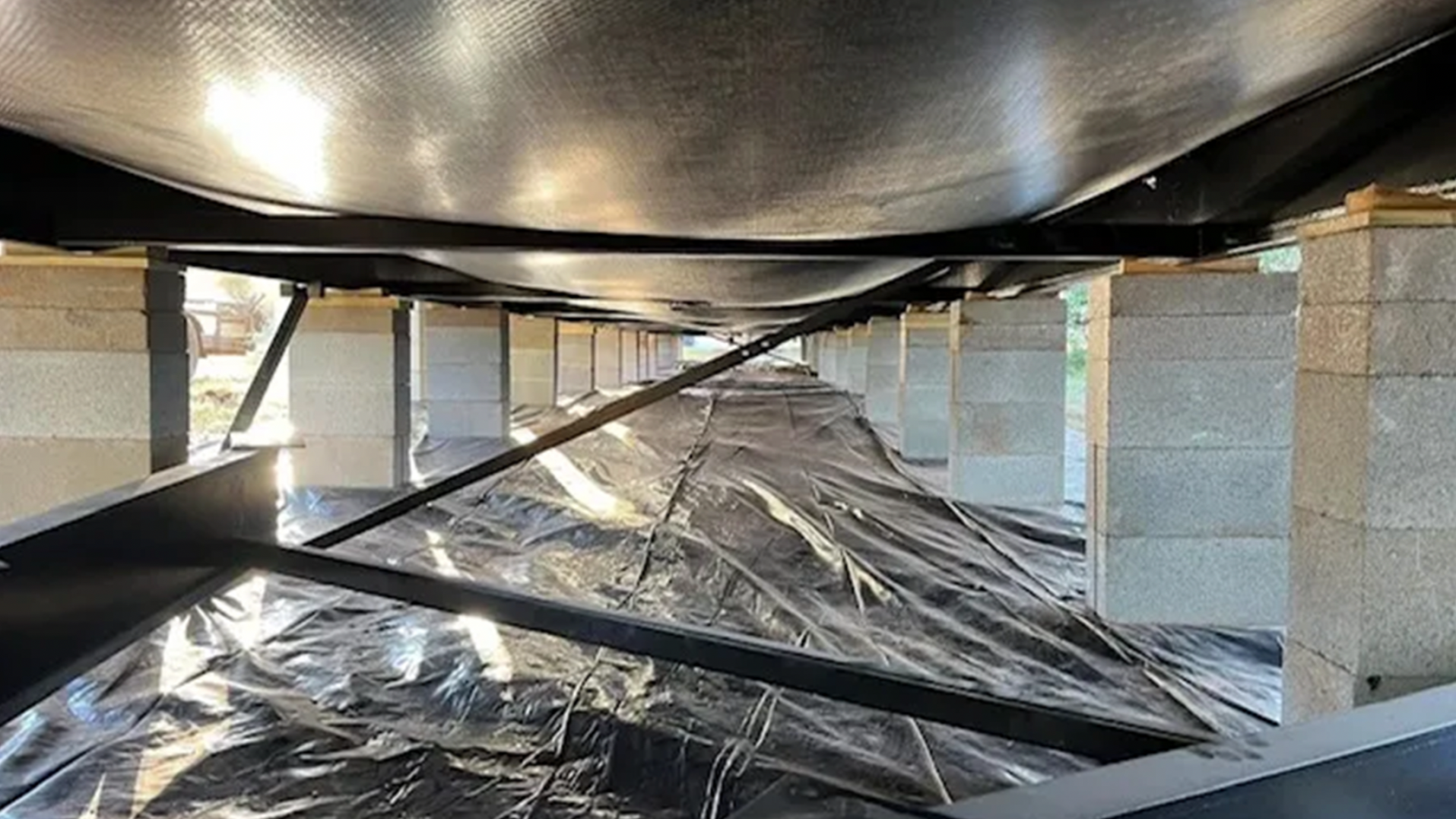
One of the most overlooked cost factors is what has to happen at the new site before the home can actually be set. If the destination lot already has a properly graded, compacted pad with utilities staged and ready, the installation portion of the job is relatively straightforward. But if the site needs clearing, grading, a new foundation or pad system, or utility rough-ins, that work adds meaningfully to the total project cost. Homeowners researching moving costs often focus only on the transport leg and are surprised to learn that site prep can represent a substantial portion of the overall budget, particularly for raw or undeveloped land.
Permitting and Regulatory Requirements
Moving a mobile home isn't just a matter of hiring a truck. Permits are typically required from state departments of transportation for oversized loads, and additional permits may be needed at the county level depending on where the home is being placed. Utility companies may also need to be involved to safely disconnect service at the origin and reconnect it at the destination. An experienced mover handles this permitting process as part of the job, which is one of the reasons working with a company that regularly moves homes across Alabama and Georgia saves homeowners from navigating an unfamiliar bureaucratic process on their own.
Additional Factors That Can Affect Price
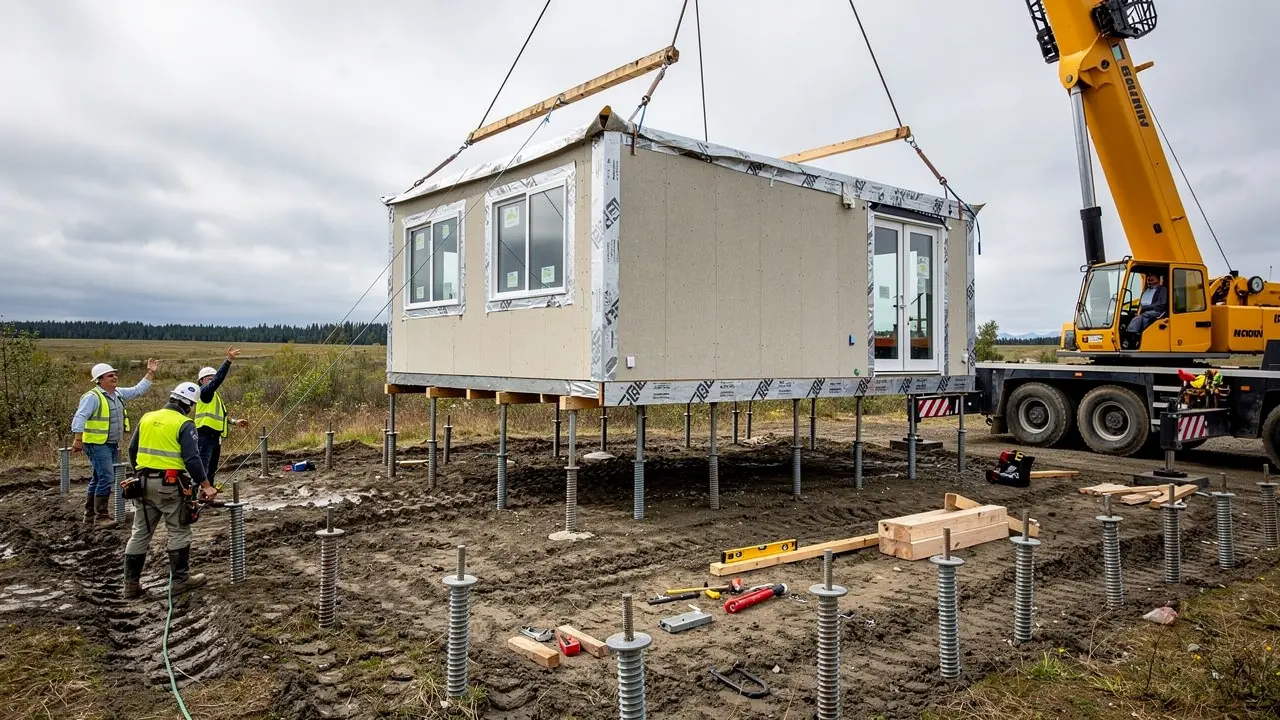
A few other variables commonly influence the total cost of a mobile home move. The age and structural condition of the home matters, since older homes may require additional care, reinforcement, or repair work to safely withstand transport. Weather and seasonal timing can affect scheduling and site conditions, particularly for grading and foundation work. Whether the home needs to be placed in storage temporarily between the old and new sites, rather than moved directly, also adds cost. And any specialized equipment needs, like escort vehicles for oversized loads or additional cranes for multi-section homes, factor into the final number as well.
Why Bowchamp Prices the Full Job, Not Just Transport
A common mistake homeowners make when researching mobile home moving costs is comparing quotes that only cover the trucking portion of the job. A low transport-only quote can look appealing until it becomes clear that site prep, permitting, utility coordination, and final setup are all separate line items that need to be arranged and paid for individually, often with different contractors. Bowchamp Transport approaches mobile home moving as a complete project, covering transport, site preparation, and installation as one coordinated process. This full-service approach tends to be more cost-effective in the long run, since it eliminates the coordination gaps and scheduling delays that come from managing multiple separate vendors, and it gives homeowners a single point of accountability for the entire move.
Getting an Accurate Quote
Because so many variables affect the final cost, an accurate quote requires understanding the specifics of your situation: the size and condition of the home, the distance and route between the two locations, the current state of the destination site, and any permitting requirements specific to your counties or states. Rather than relying on a generic online estimate that can't account for these details, the most reliable way to budget for a move is to have a direct conversation with a mover experienced in the region.
Planning Your Mobile Home Move Across Alabama & Georgia
For homeowners across East Alabama and West Georgia, working with a company that understands local road conditions, permitting processes, and site preparation standards makes the entire process significantly smoother. Rather than trying to estimate costs from a generic online calculator, or worse, choosing a mover based solely on the lowest advertised rate, it's worth requesting a real quote based on your home and your destination. That's the only way to get a number that actually reflects what your specific move will cost, and it's the best way to avoid unexpected charges once the job is already underway.
Ready to find out what your move will actually cost? Reach out for a free, no-obligation quote and get pricing based on your home's size, your route, and your site's specific needs.