What's Included in Site Preparation for Your Modular or Manufactured Home?
Grading, pad setup, and precise placement, what property owners need to know before delivery day
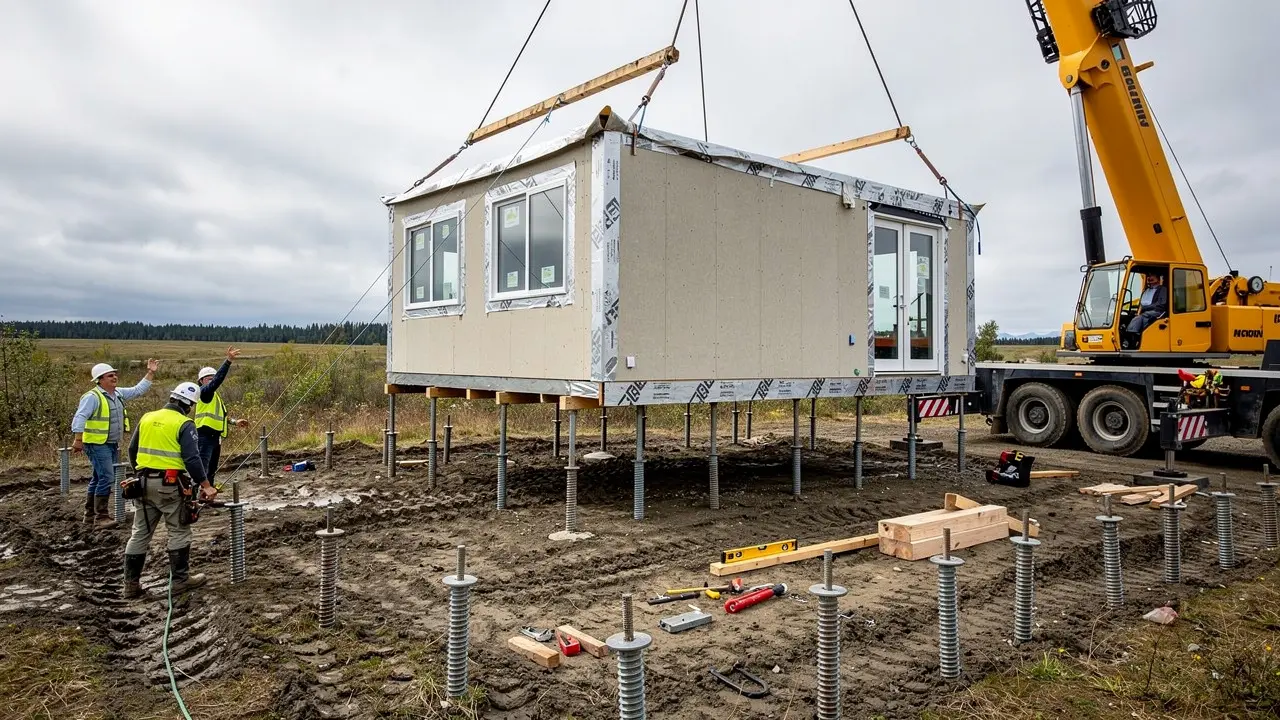
Bringing a modular or manufactured home onto your property is an exciting milestone, but the work that happens before the structure ever arrives is what determines whether that milestone goes smoothly. Site preparation is the foundation, literally and figuratively, of a successful installation. Skip a step or rush the process, and you risk delivery delays, uneven settling, drainage problems, or costly rework months down the line. At Bowchamp Transport, site preparation is treated as a precise, sequenced process rather than a single checkbox, and understanding what goes into it helps property owners know what to expect and what to have ready before their home arrives.
Why Site Preparation Matters More Than Most People Realize
A modular, manufactured, or commercial building is only as stable as the ground beneath it. Unlike site-built homes that are constructed in place, these structures are built off-site and delivered as finished or near-finished sections. That means the site has to be ready to receive them exactly as specified, with no room for on-the-fly adjustments once the transport truck arrives. Improper prep can lead to uneven floors, doors and windows that don't seal correctly, moisture intrusion under the home, and foundation settling that shows up years after installation. Investing time in proper preparation upfront is far cheaper and less disruptive than correcting problems after the home is set.
Step One: Site Assessment and Planning
Before any equipment touches the ground, a thorough site assessment is necessary. This includes evaluating the soil composition, checking for drainage patterns, identifying the high and low points of the lot, and confirming there's adequate access for delivery vehicles and cranes. For sloped or irregular lots, this step also determines whether retaining walls, additional fill, or engineered solutions will be needed. Planning at this stage also accounts for utility locations, easements, and any local permitting requirements specific to the county or municipality.
Step Two: Clearing and Grading
Once the site has been assessed, the physical work begins with clearing. Trees, stumps, brush, and debris are removed from the building footprint and the access path the delivery vehicles will use. After clearing, grading shapes the land so water flows away from the structure rather than pooling beneath it. Proper grading typically slopes the ground away from the home at a specified rate, which protects the foundation from moisture damage and reduces the risk of settling over time. This is one of the most commonly underestimated steps, and skipping it is a leading cause of long-term structural issues in manufactured housing.
Step Three: Pad Setup and Foundation Work
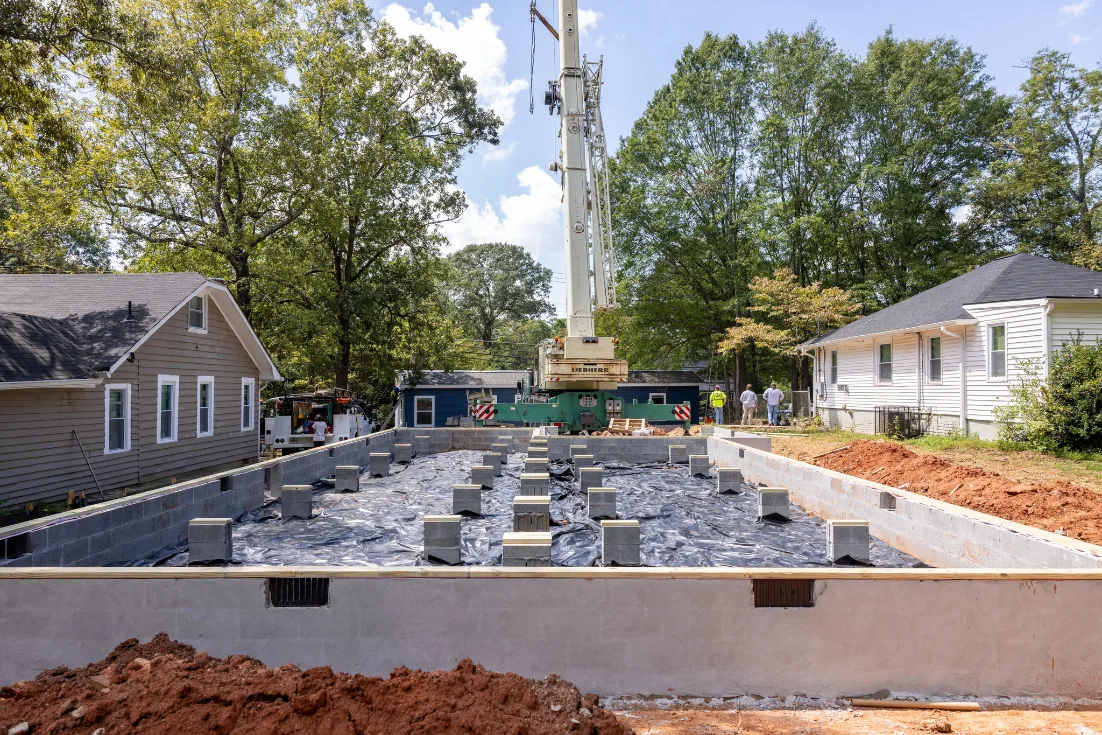
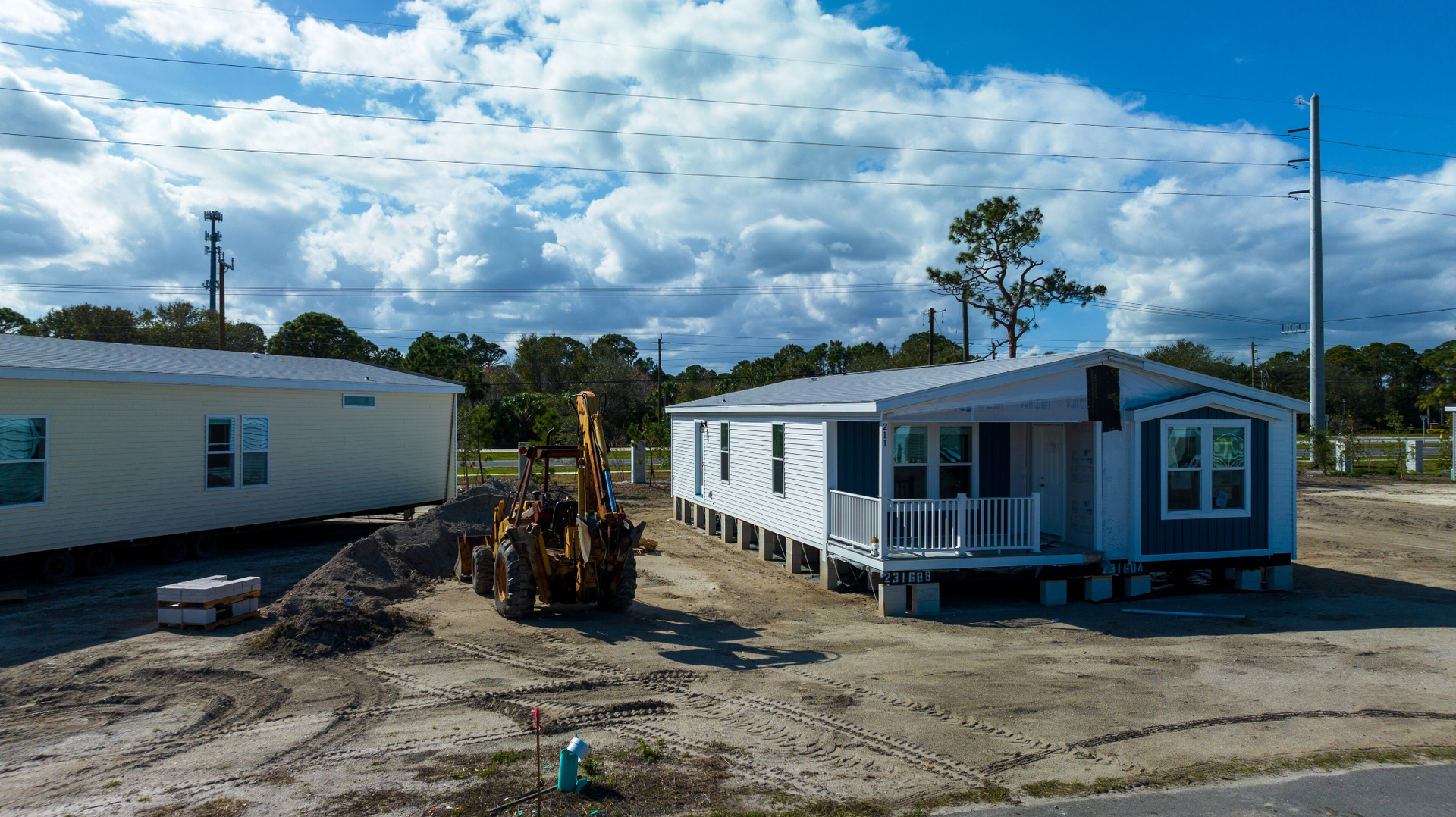
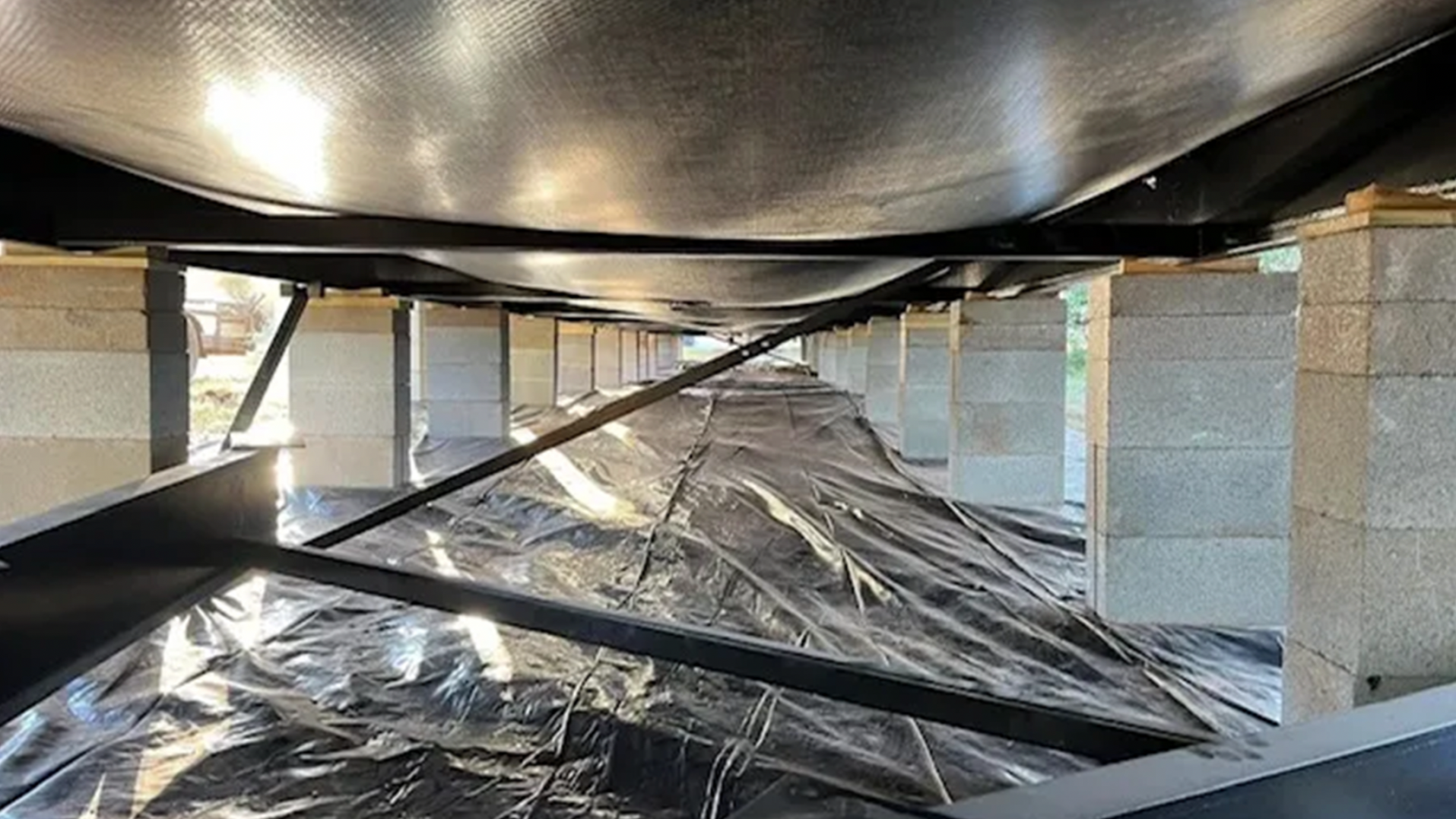
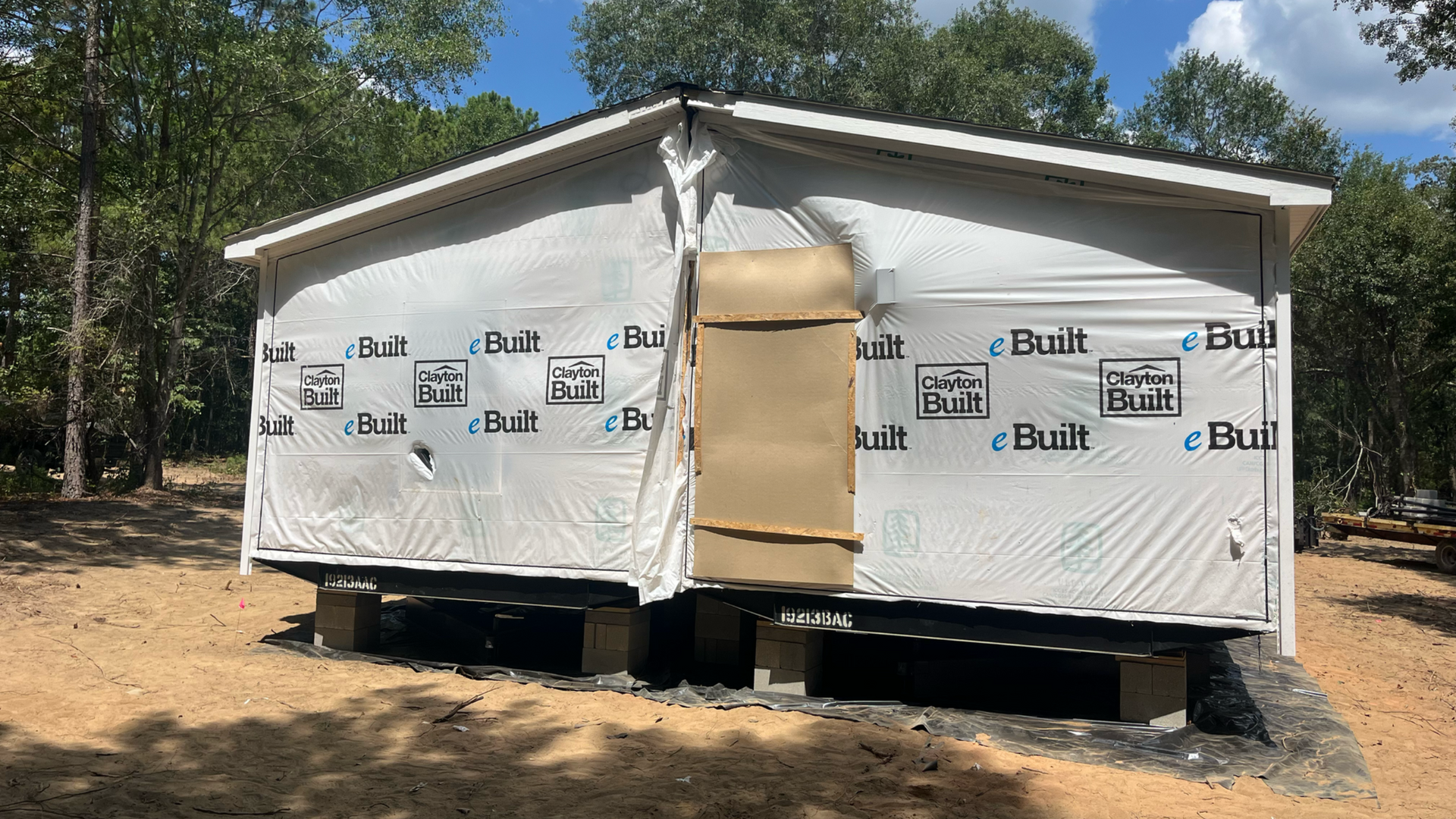
With the land graded, attention turns to building the pad or foundation system the home will actually rest on. Depending on local codes, soil conditions, and the type of structure, this may involve a compacted gravel pad, a poured concrete foundation, or a pier-and-beam system. The pad must be level, properly compacted, and sized correctly for the home's footprint. Compaction testing is often performed to confirm the ground can bear the structure's weight without shifting. This step also includes installing any required vapor barriers or drainage systems beneath the home, which help prevent moisture buildup in the crawlspace.
Step Four: Utility Preparation
Before delivery day, utility connections need to be roughed in and ready. This includes water, sewer or septic tie-ins, electrical service, and gas lines where applicable. Having these utilities staged and accessible means the installation crew can connect the home efficiently once it's placed, rather than waiting on additional trenching or infrastructure work. Coordinating utility prep with the site work timeline avoids the common problem of a graded pad sitting idle while utility contractors catch up.
Step Five: Access Route Preparation
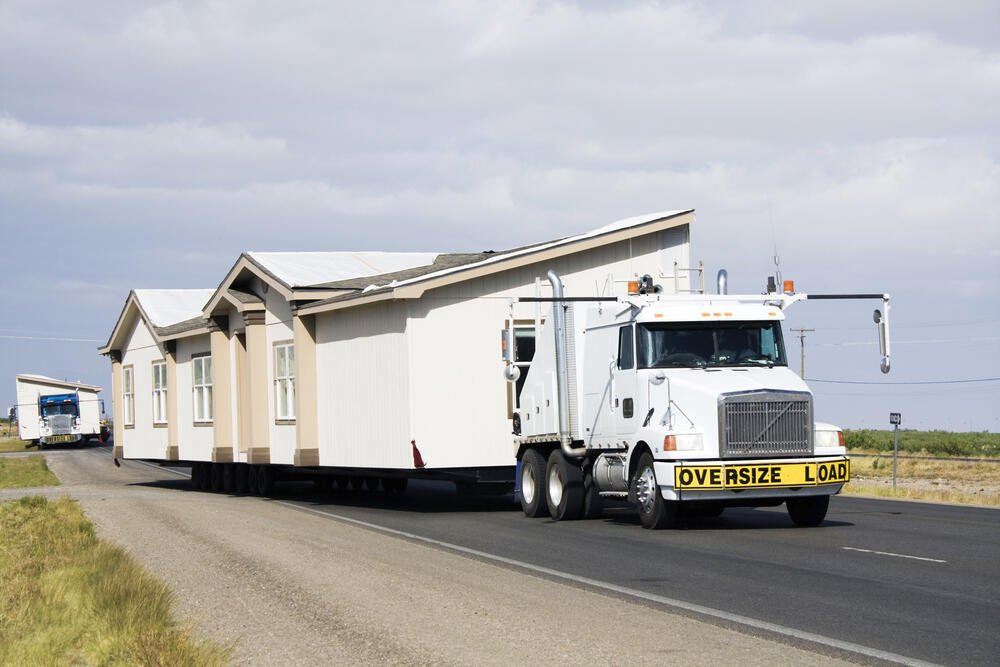
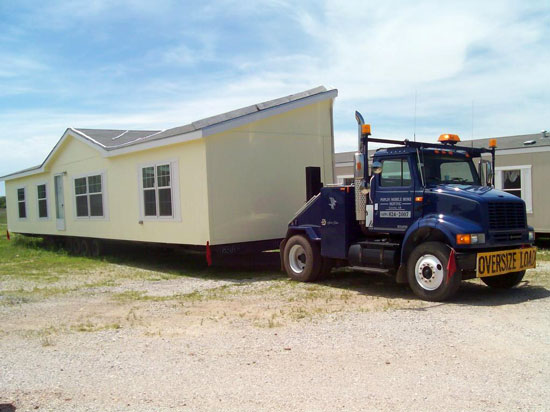
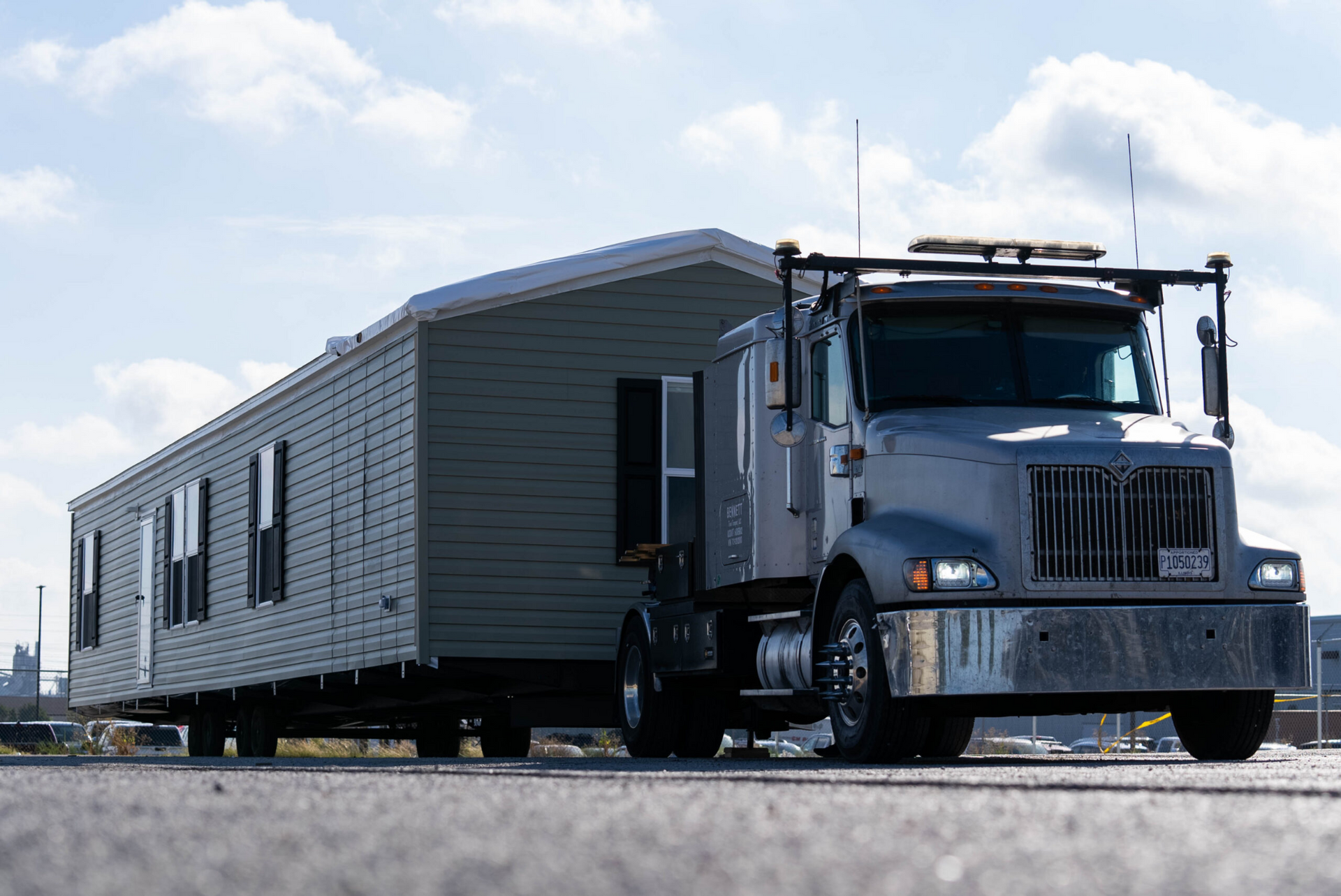
Modular and manufactured homes typically arrive in large sections that require wide, stable access routes. If the driveway or approach to the site isn't built to handle the weight and turning radius of the delivery equipment, the transport process can be delayed or, in worst cases, damage the property. Preparing the access route often means reinforcing the driveway surface, widening tight turns, and clearing overhead obstructions like low tree branches or utility lines that could interfere with the delivery path.
Step Six: Final Placement and Positioning
The final stage of site prep isn't really about the ground at all, it's about precision. Once the pad, utilities, and access route are ready, the actual placement of the home requires careful positioning to ensure it sits exactly where it's designed to on the foundation. This includes leveling checks, alignment with utility connections, and confirming setback distances from property lines meet local zoning requirements. Getting this step right the first time avoids the need to re-lift and reposition a structure that's already in place, which is both time-consuming and expensive.
What Property Owners Should Have Ready Before Delivery Day
Property owners play an important role in keeping the process on schedule. Before delivery day, it helps to confirm that permits are approved, the access route is clear of parked vehicles or obstacles, utility rough-ins are complete, and the pad has had adequate time to cure or settle if concrete was used. Communicating clearly with your site prep and transport provider about the delivery timeline also helps avoid scheduling conflicts, since weather and equipment availability can shift delivery windows.
Commercial and Modular Buildings Have Similar Requirements
While much of this process centers on residential manufactured homes, the same principles apply to commercial modular buildings, office trailers, and other prefabricated structures. Larger commercial projects may require additional engineering review, but the core sequence of assessment, clearing, grading, pad construction, utility staging, and precise placement remains consistent across property types.
The Bottom Line
Proper site preparation isn't a formality, it's the single biggest factor in whether your modular or
manufactured home performs well for decades or starts developing problems within the first few years. Working with an experienced team that understands grading, compaction, drainage, and precise placement gives property owners confidence that their investment is built on solid ground, literally. Taking the time to prepare correctly before delivery day saves money, prevents delays, and sets the structure up for long-term stability.