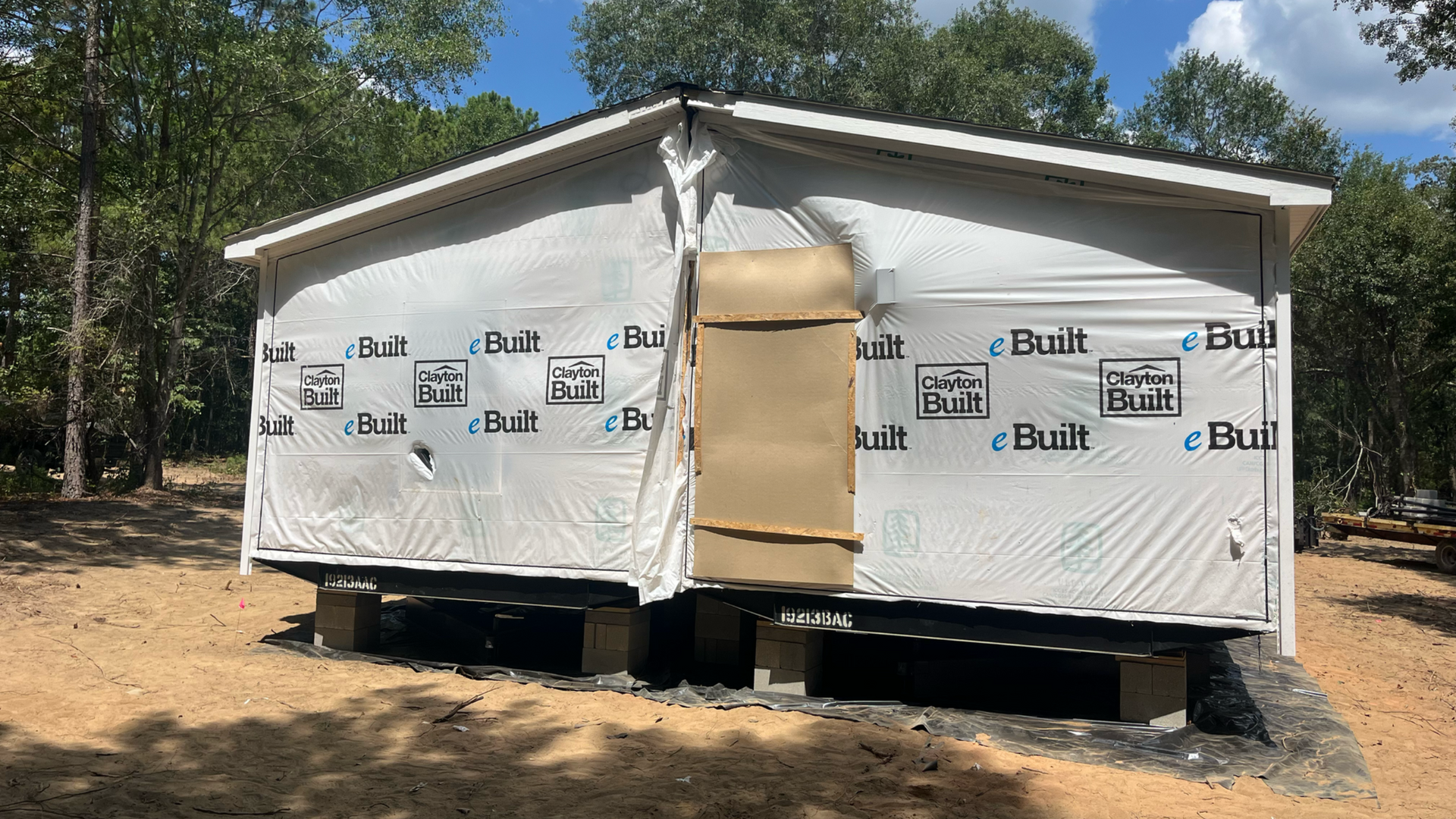
Why Full-Service Site Prep and Setup Matters When Choosing a Mobile Home Installer
One contract, one accountable team, zero project delays

Relocating or installing a manufactured home, commercial modular building, or jobsite office involves many moving parts. When most people start planning a move, their first thought is usually straightforward: I need to find a company with a truck to tow this building from Point A to Point B.
However, anyone who has ever managed a mobile home installation quickly discovers that transportation is only one piece of a much larger puzzle.
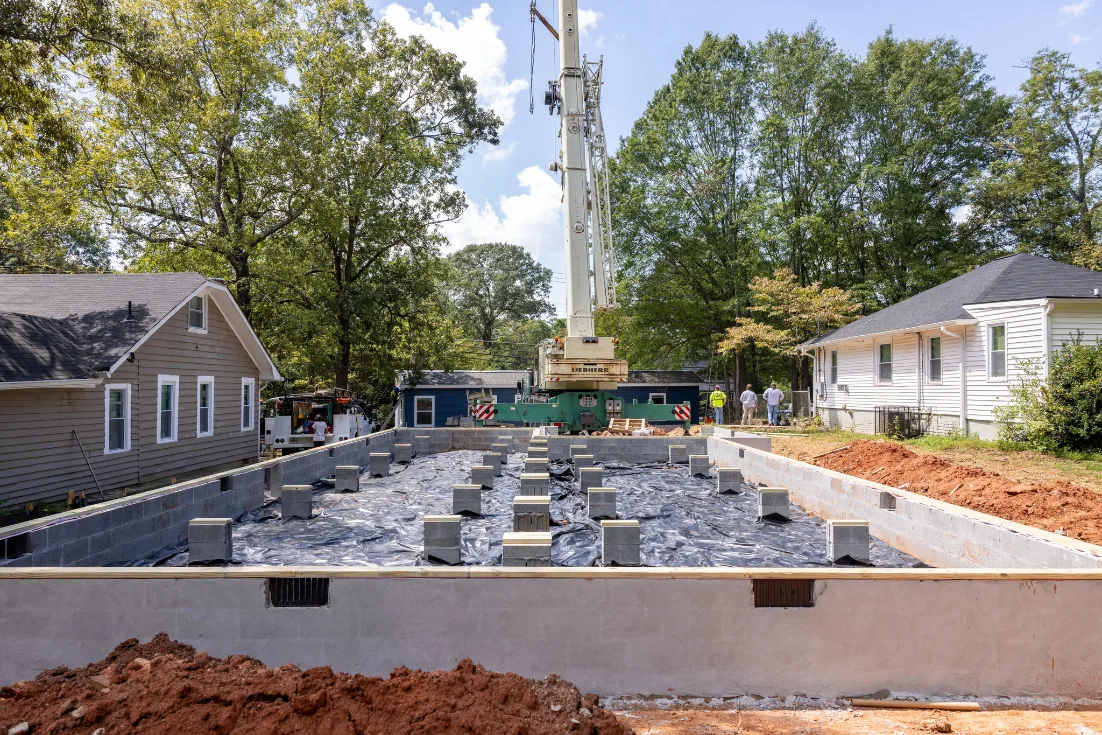
Before your home can travel down the highway, the destination site must be cleared, graded, and leveled. Once the truck arrives, the home must be precisely maneuvered into position, elevated on piers, leveled across every axis, and anchored securely against high winds.
When property owners try to piece this project together using three or four different sub-contractors, things frequently go wrong. Let’s look at why full-service site prep and setup is vital when choosing a mobile home installer—and how a single, accountable team saves you time, money, and frustration.
The Danger of the Multi-Vendor "Blame Game"
The traditional approach to installing a manufactured or modular building often looks like a chaotic game of phone tag:
You hire an independent excavation company to dig and grade the pad.
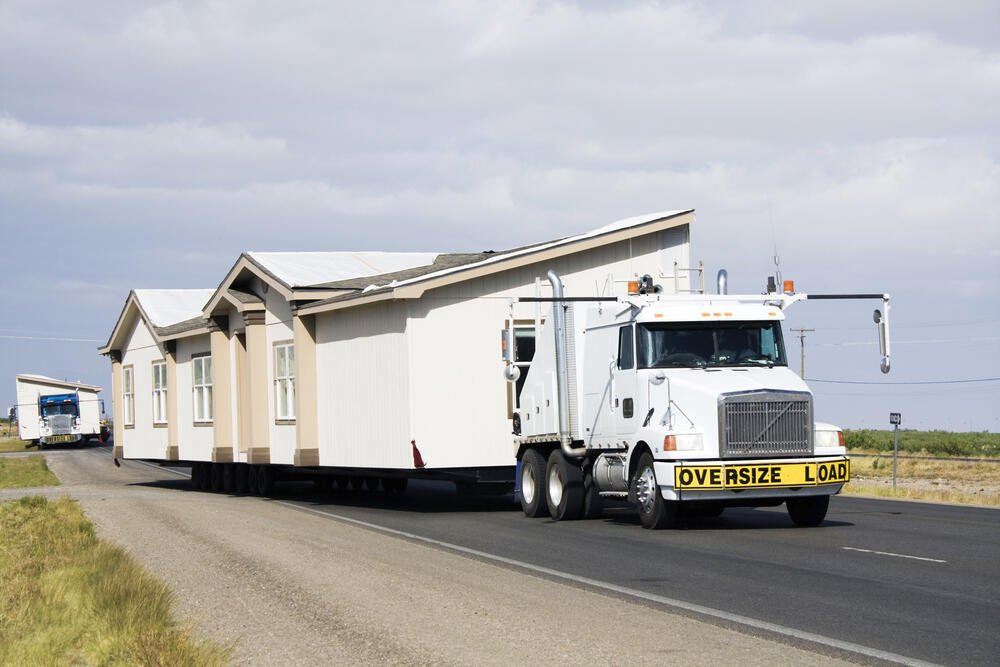
You hire a transport company to haul the building down the highway.
You hire a setup crew to block, level, and anchor the structure once it arrives.
Now, imagine what happens on delivery day when the transport driver pulls onto the property and realizes the dirt contractor didn't grade the pad wide enough, or left the ground too soft for heavy machinery.
The driver refuses to unhook the home because the site is unsafe. The separate setup crew arrives, realizes they can't start work, and charges you a "standby fee" for their wasted afternoon. When you call the dirt contractor, they insist the pad was fine and blame the driver.
You are left caught right in the middle—paying unexpected fees, dealing with massive project delays, and managing stress that could have easily been avoided.
What True Full-Service Site Prep and Setup Looks Like
When you hire a full-service installer, one company takes total ownership of your project from start to finish. Every phase of the job flows naturally into the next because the same team that prepares the ground is the same team holding the steering wheel and setting the concrete piers.
Here is what a complete, single-source installation process includes:
1. Land Clearing, Grading, and Pad Setup
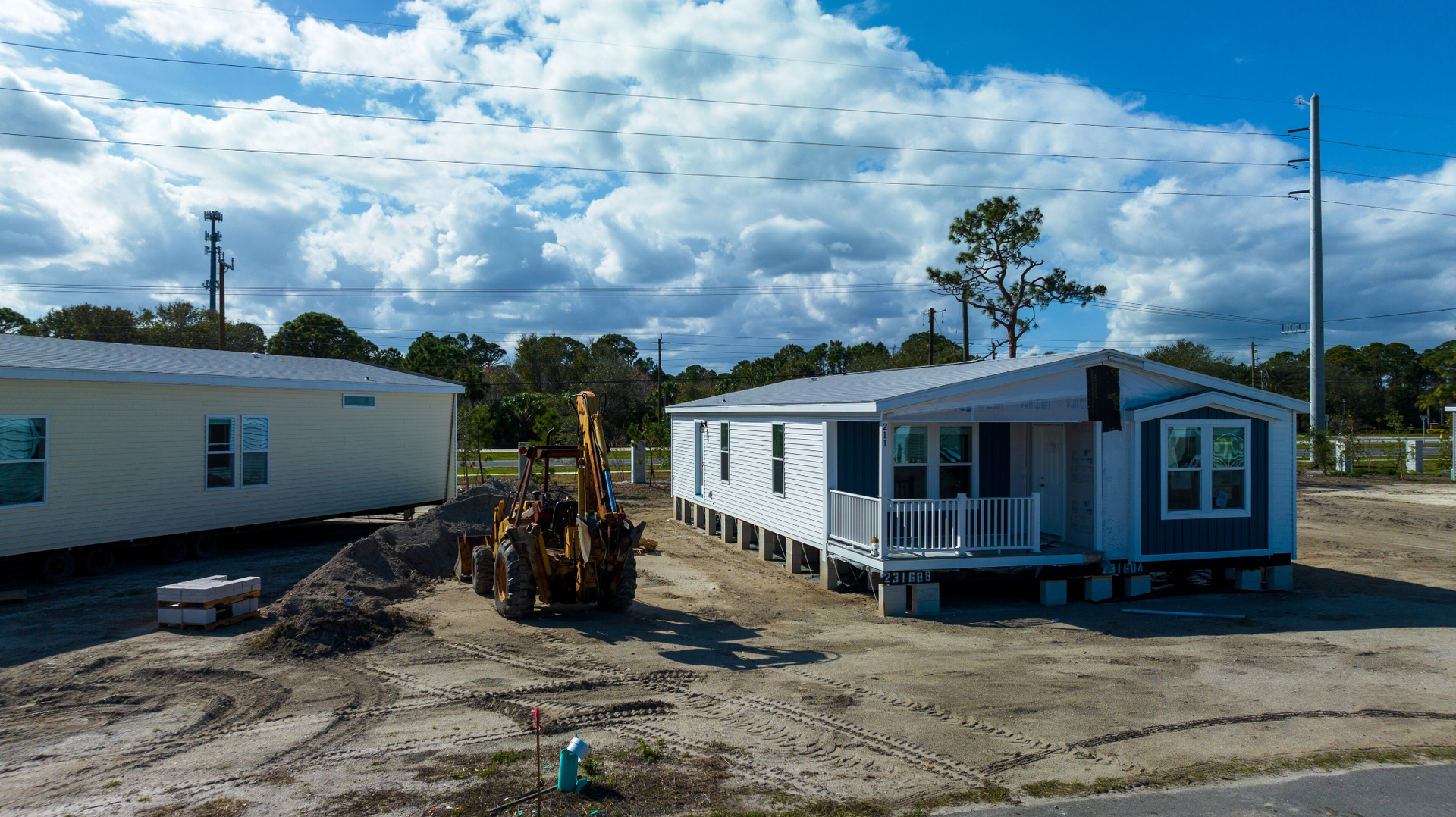
Before any building touches the lot, the site must be prepared to handle heavy weight and heavy rains. A full-service installer brings heavy machinery directly to your property to clear trees, brush, and root systems. They grade the land so water drains away from the structure, and build a densely compacted pad capable of supporting tens of thousands of pounds without sinking over time.
2. Permitted Route Planning and Safe Transit
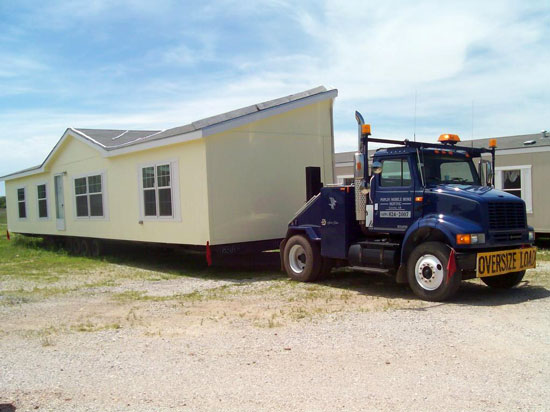
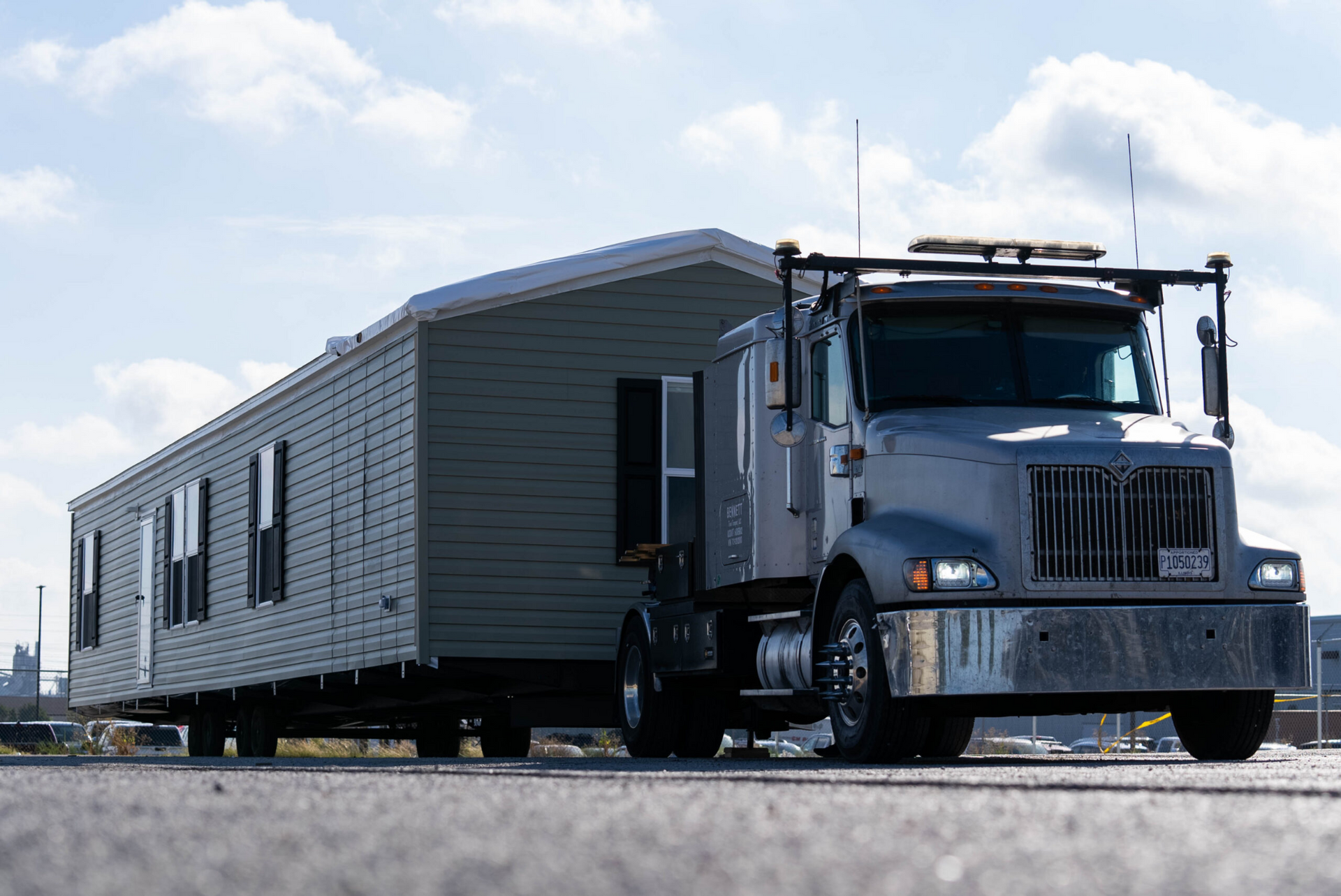
Oversized loads require specific state permits and route planning across state lines like Alabama and Georgia. A full-service provider secures all required state DOT permits, maps out low-clearance bridges, coordinates escort vehicles when required, and hauls your structure safely using specialized equipment.
3. Precise Site Alignment and Placement
Getting a 16-foot wide single-wide or a massive multi-section office building onto a tight property requires specialized maneuvering tools. Full-service installers utilize close-quarters placement equipment to maneuver structures around trees, electrical poles, and tight gates without damaging your property or the building itself.
4. Structural Blocking, Leveling, and Tie-Downs
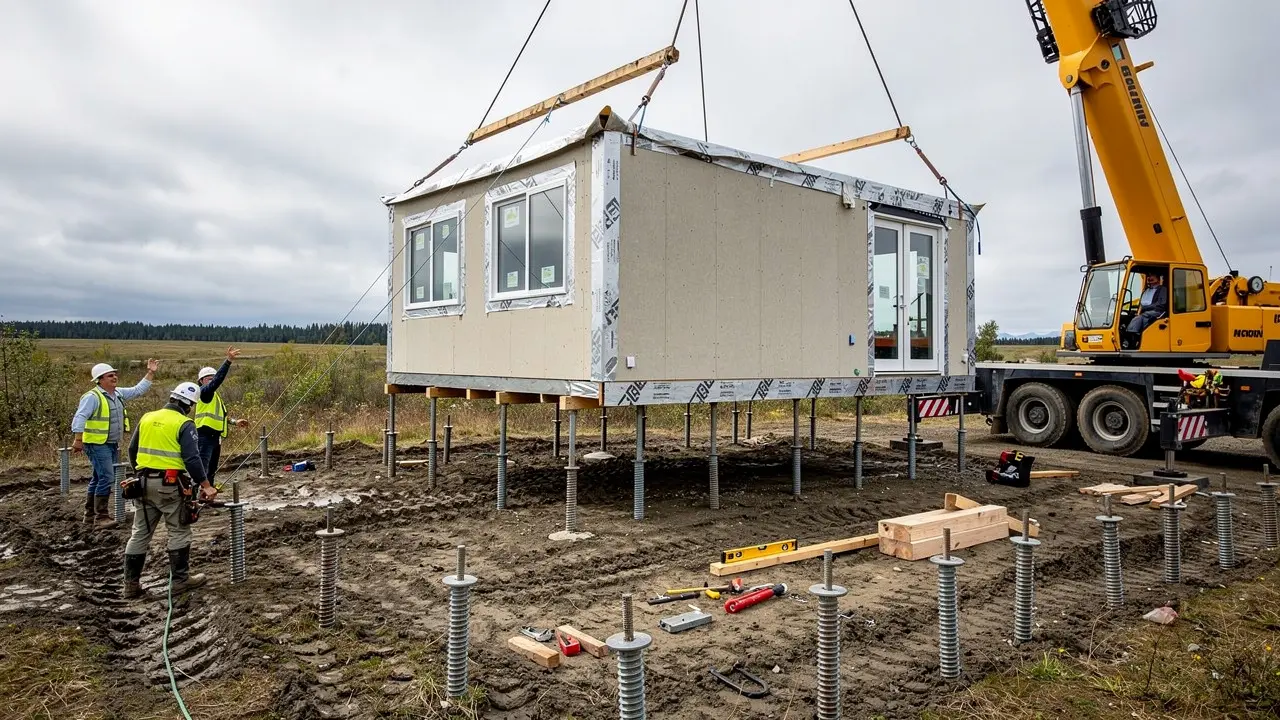
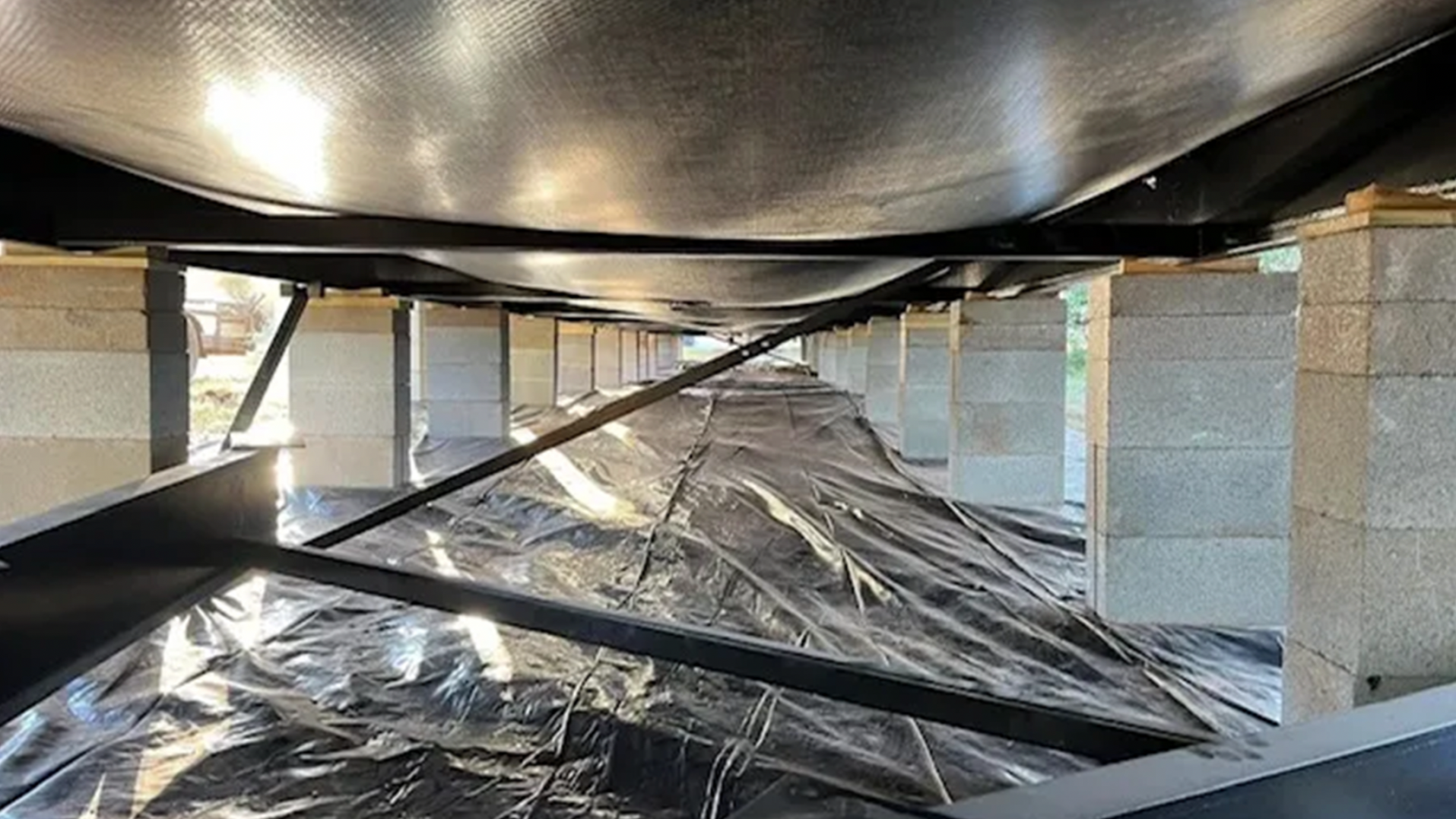
Once in place, the building is systematically elevated off its transport tires and set on heavy-duty concrete blocking or steel piers. Installers use precision leveling instruments to check the building’s plane from front to back and side to side. Finally, engineered ground anchors and wind-mitigation tie-down straps are installed to ensure full compliance with state building codes and safety regulations.
Comparing Your Options: Multi-Vendor vs. Single Turnkey Partner
When evaluating how to manage your mobile or modular installation across Alabama and Georgia, consider how these two operational models stack up:
Managing a portable building project with multiple vendors often means coordinating three or four separate contractors for site preparation, transportation, installation, and anchoring. This approach can lead to communication issues, scheduling conflicts, and costly mistakes, such as incorrect pad dimensions or inadequate soil compaction that may delay delivery. With Bowchamp's turnkey service, you work with a single point of contact who manages the entire project from start to finish. The site is prepared specifically to accommodate the transport equipment, ensuring a smooth transition from delivery to final placement. Bowchamp also takes full responsibility for precision setting, blocking, levelling, and anchoring, eliminating disputes between contractors over installation issues. By handling every stage under one provider, the project stays on schedule, reduces delays, and delivers a more efficient and predictable installation process from day one.
How Full-Service Installation Protects Your Investment
Choosing an all-in-one installer isn't just about convenience—it directly impacts the structural lifespan of your building.
If a separate dirt crew builds an unlevel pad, and an inexperienced setup crew tries to block the home anyway, the structure will settle unevenly within a few months. Uneven weight distribution places intense physical torque on the frame, leading to:
Drywall cracking along door frames and window corners.
Interior and exterior doors that stick, jam, or won't latch shut.
Roof seam separations that allow rainwater to seep into ceiling insulation.
Gaps along the marriage line of double-wide homes.
When one experienced team manages the dirt work, the transport, and the final leveling, every step is calculated to prevent structural twisting and keep your building level for decades.
Partner with Bowchamp Transport for Turnkey Peace of Mind
At Bowchamp Transport, we believe that moving and setting up a building should be a smooth, stress-free experience. Based in the Phenix City region and serving communities across East Alabama and West Georgia—including Auburn, Opelika, Columbus, and beyond—we offer complete, end-to-end transport, site prep, and setup solutions.
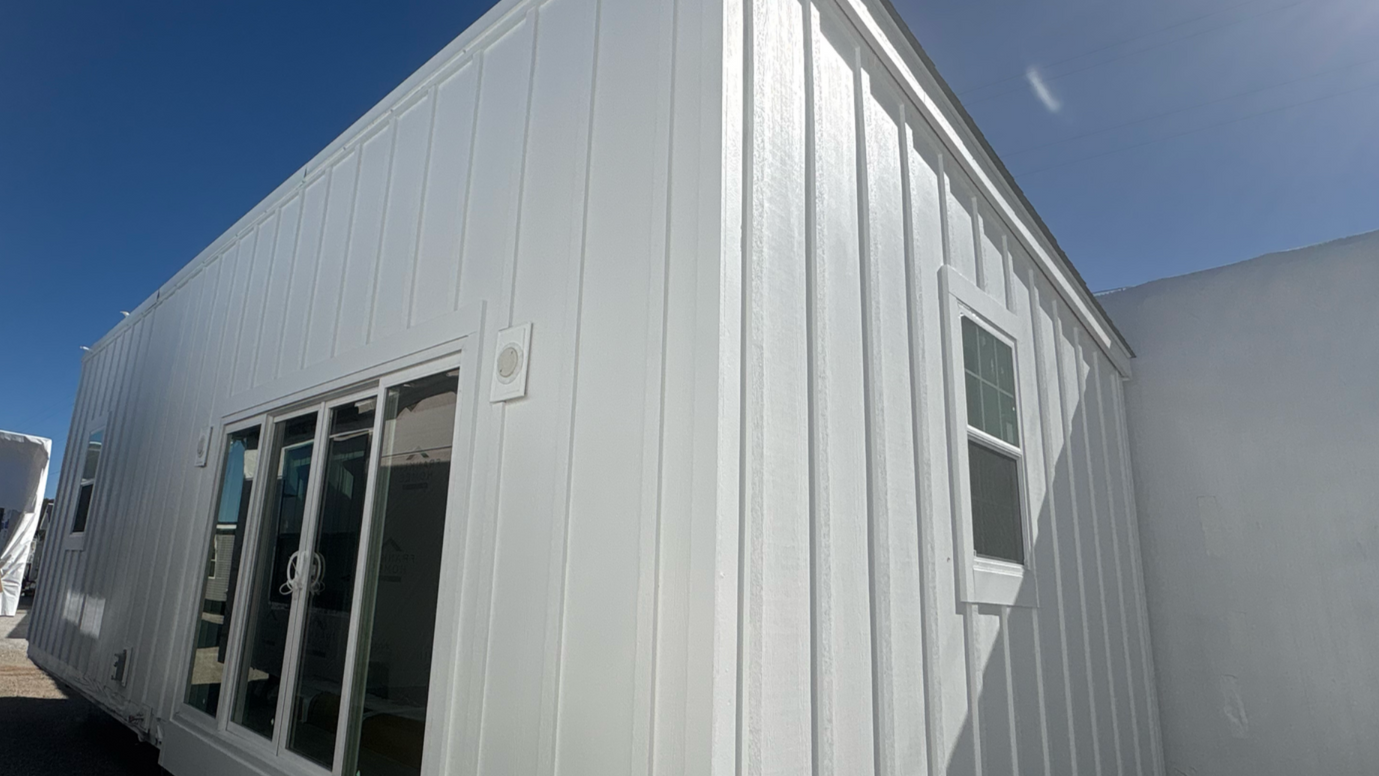
Whether you are placing a single-wide mobile home, setting up a double-wide, relocating a commercial jobsite office, or installing a custom tiny home, our licensed and insured team handles every detail:
1.Site Prep & Permitting:
Groundwork & Logistics.
We inspect your property, clear brush, grade the soil, compact the foundation pad, and secure all required state wide-load transport permits.
2.Professional Transport:
Safe Highway Transit.
Using specialized trucks and experienced drivers, we safely haul your structure to the site along pre-approved legal routes.
3.Set, Block, Level & Anchor:
Complete Turnkey Installation.
Our crew positions the structure, transfers it onto piers, performs precision leveling, and installs heavy-duty tie-downs so it is stable and secure.
Don't deal with the headache of juggling multiple contractors. Trust your project to an all-in-one team that gets the job done right the first time.
Contact
Bowchamp Transport today to discuss your site conditions, ask questions, and request a fast, transparent quote for your move!